

➜ SNOW REMOVAL
SNOW REMOVAL IN Decatur, IL
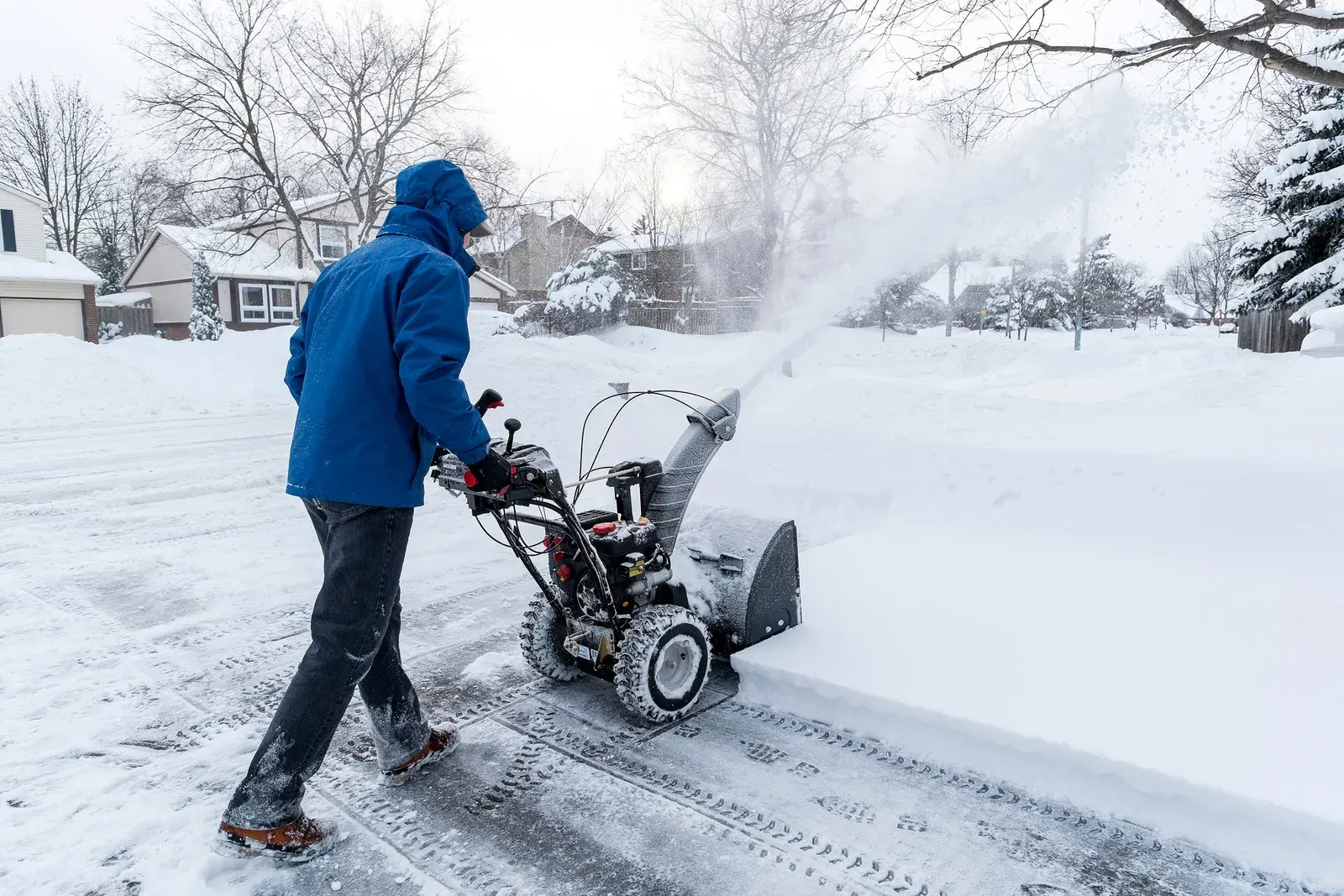
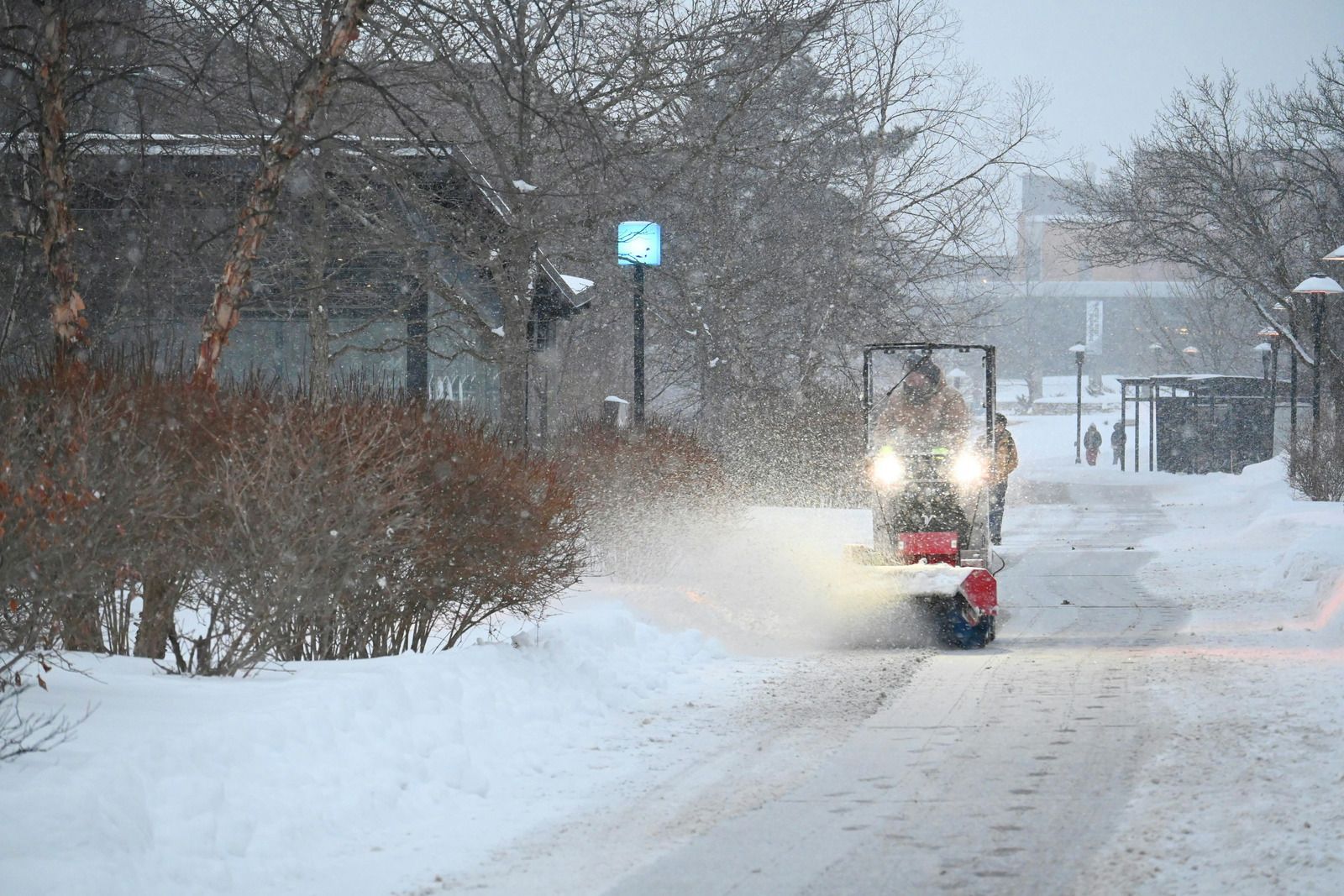
Rock salt loses most of its melting power below 20 degrees, which is why clearing early beats treating late. Lawns to Impress plows driveways, private roads and commercial lots across Decatur, IL, plus Forsyth, Mount Zion and Long Creek, at the trigger depth you set, then treats the walks and entries behind it before they can refreeze again overnight.
SNOW DOES NOT WAIT FOR BUSINESS HOURS.
Most of the snow that matters falls overnight or during the Sunday you had plans for. A driveway nobody cleared by sunrise becomes a car stuck sideways, a missed shift or a customer who drove to a competitor. We watch the forecast so you do not have to set an alarm around it yourself.
Salt is not a cure for everything either. Below about 20 degrees it slows down badly, so we shovel and plow first, then treat with the right material for the pavement temperature.
- Insured crews on residential drives and commercial lots
- Clearing at the trigger depth we agree on
- Salting, sanding and ice control after the push
- $50 off when snow is bundled with lawn care
➜ SNOW REMOVAL
YOUR LOT IS CLEAR BEFORE THE FIRST SHIFT ARRIVES.
Commercial properties do not get graded on effort. Employees arrive at a set hour, deliveries show up whether or not the dock is clear, and a customer who slips in your parking lot becomes a problem that outlives the storm. We build routes backwards from your opening time, clear the drive lanes first, then the stalls, then the walks and entries where people actually put their feet.
16 INCHES A WINTER, MOSTLY WHILE YOU SLEEP.
Decatur averages somewhere between 14 and 16 inches of snow across a normal winter, and it rarely arrives in one polite daytime event. December through February bring the bulk of it, often as a few inches overnight followed by a freeze that welds whatever is left to the concrete. Clearing before that freeze sets is the difference between a plow pass and a chipping job.
OUR PHONES STAY ON WHEN THE ROADS CLOSE.
Snow work is a promise made in October and kept at 3 in the morning in January. Across 5 years of central IL winters we have learned to stage equipment before the first flake, keep spare parts on the truck, and answer when a client calls about a drift nobody expected. If your last contractor went quiet during the storm you already know why that matters now.
WHAT A PLOWED PROPERTY PROTECTS
Access Before Anyone Needs It
Cleared drives and lanes mean the car starts moving, the delivery lands and the shift begins on time. Nobody stands in the cold negotiating with a shovel before the day has even started.
Fewer Falls, Fewer Claims
Ice on a walk or an entry is where slip claims start. Clearing early and treating the refreeze cuts that risk, and a documented service record helps if anyone questions how the property was maintained.
Pavement That Survives Winter
Blades set correctly and material used at the right rate protect the surface underneath. Overapplied salt and careless plowing chew up concrete edges, scar sealcoat and shorten the life of a lot by years.
No Predawn Decisions To Make
You do not have to judge whether it snowed enough, find someone available or dig out a shovel. The trigger depth was agreed in the fall and we act on it without waiting for a call.
A Business That Looks Open
Customers read a snowed in lot as closed and keep driving. A cleared entrance, marked lanes and a salted walk tell people you are working today, which is worth more than any sign in the window.
One Contractor Year Round
The crew that mows your property in July knows where the curbs, sprinkler heads and soft edges are in January. That memory keeps blades off things that break and keeps turf out of the snow pile.
➜ WHAT WE CLEAR
OUR SNOW REMOVAL WORK
Winter work is more than pushing snow into a corner. These are the pieces that keep a property usable from the first storm through the last thaw, on residential and commercial sites alike.
DRIVE CLEAR
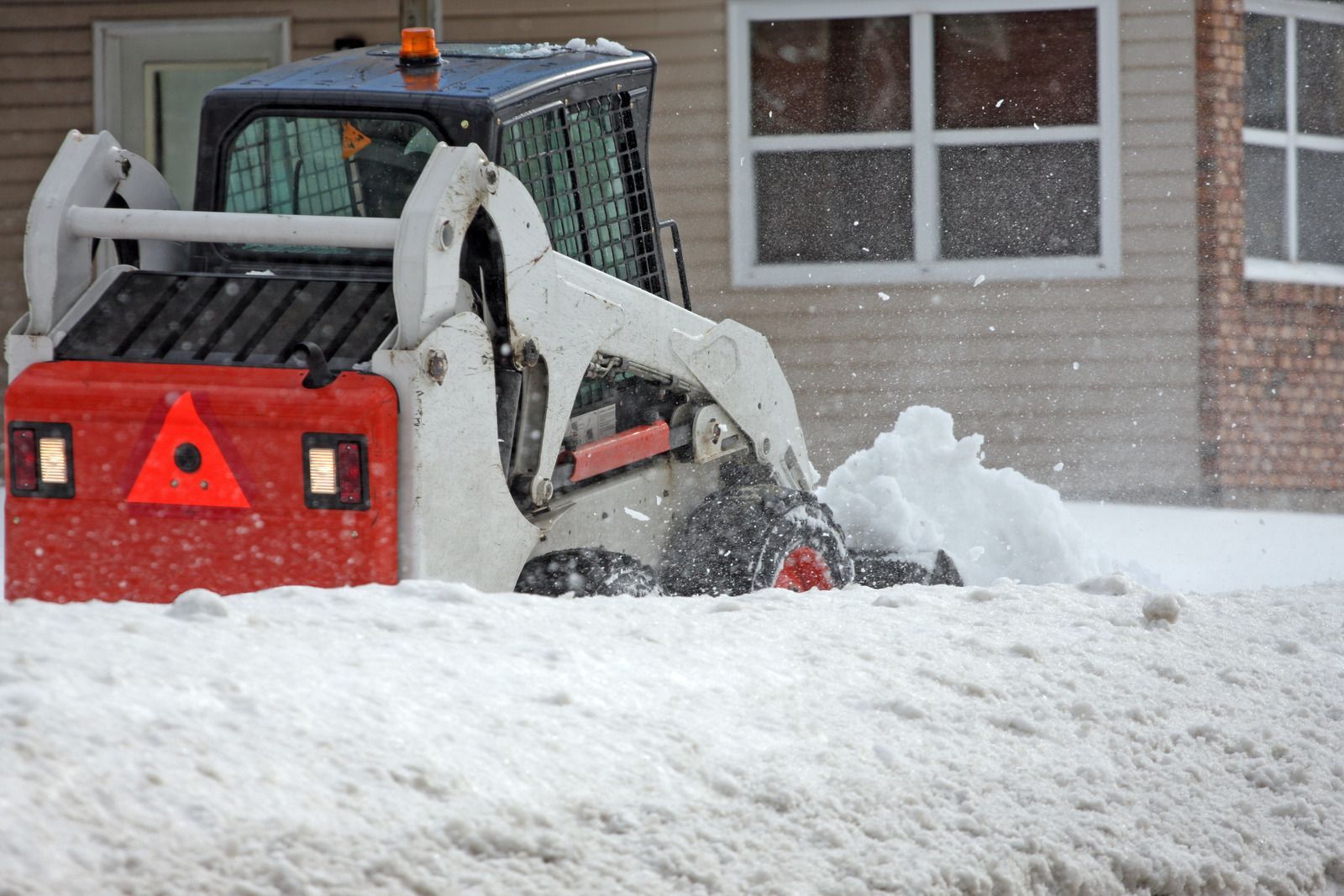
Residential Snow Plowing
Driveways, aprons and turnarounds cleared to the pavement, with snow stacked where it will not block sight lines or melt back across the drive. Mailboxes, lamp posts and edging get marked before the first storm of the season.
LOT WORK
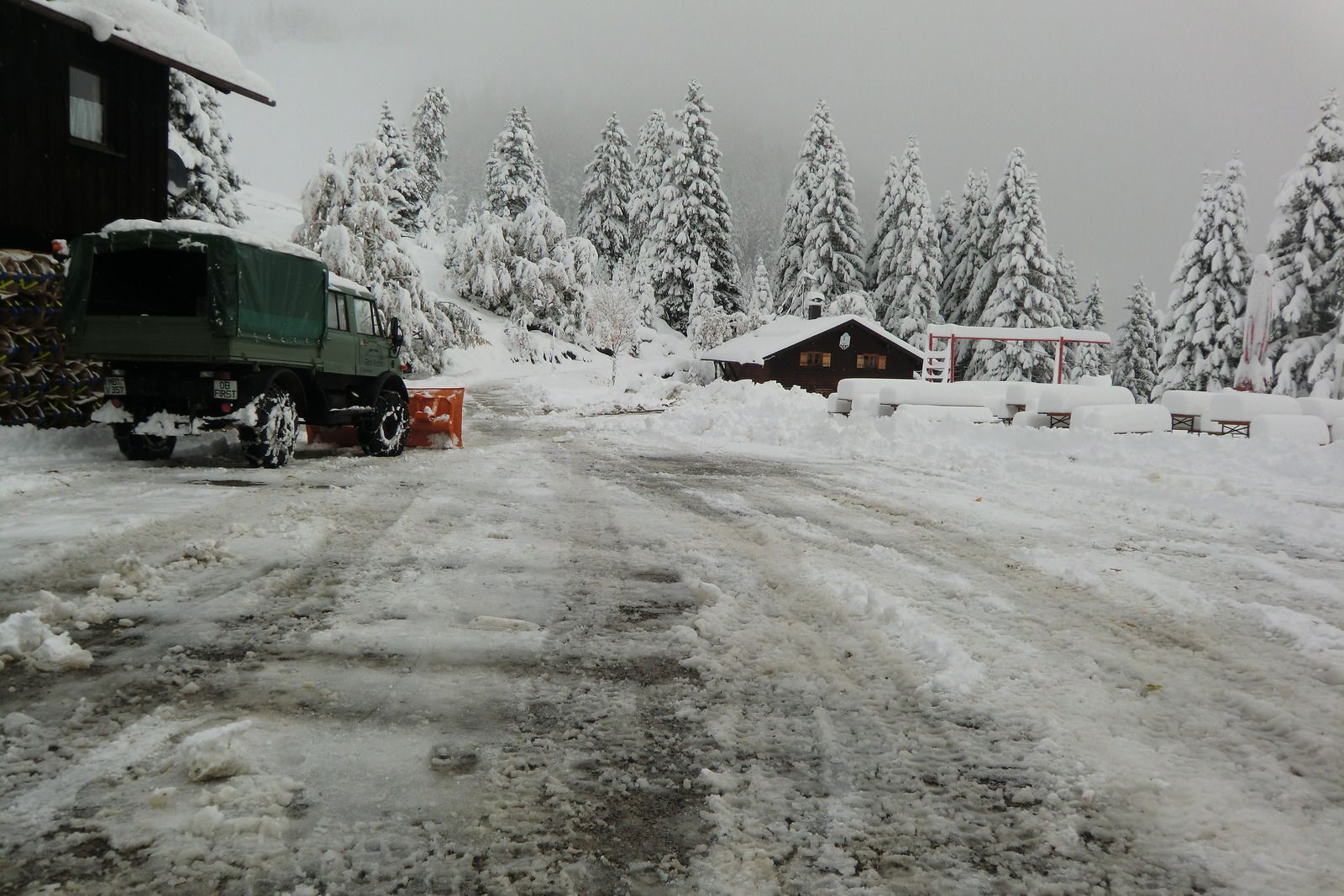
Commercial Lot Clearing
Parking lots, drive lanes, loading docks and fire lanes cleared on a schedule tied to your opening hours. Larger sites get staged so the areas your people use first are open first. Snow gets hauled off when piles crowd the stalls.
FOOT TRAFFIC
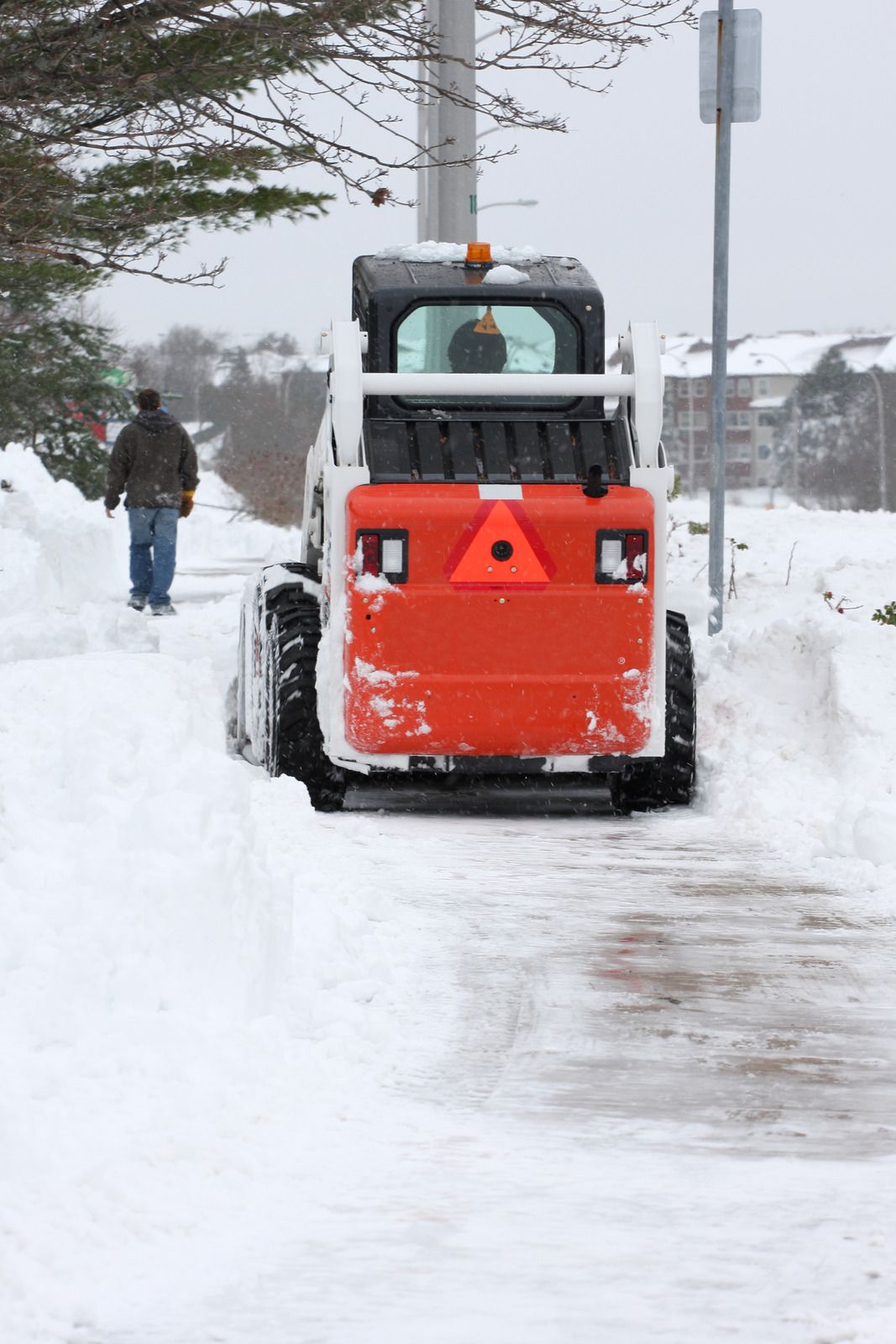
Sidewalk and Entry Clearing
Walks, steps, ramps and entryways get shoveled or blown down to the surface, then treated. These are the places people slip, and they refreeze first because they sit in shade and catch roof drip through the day.
ICE FIGHT
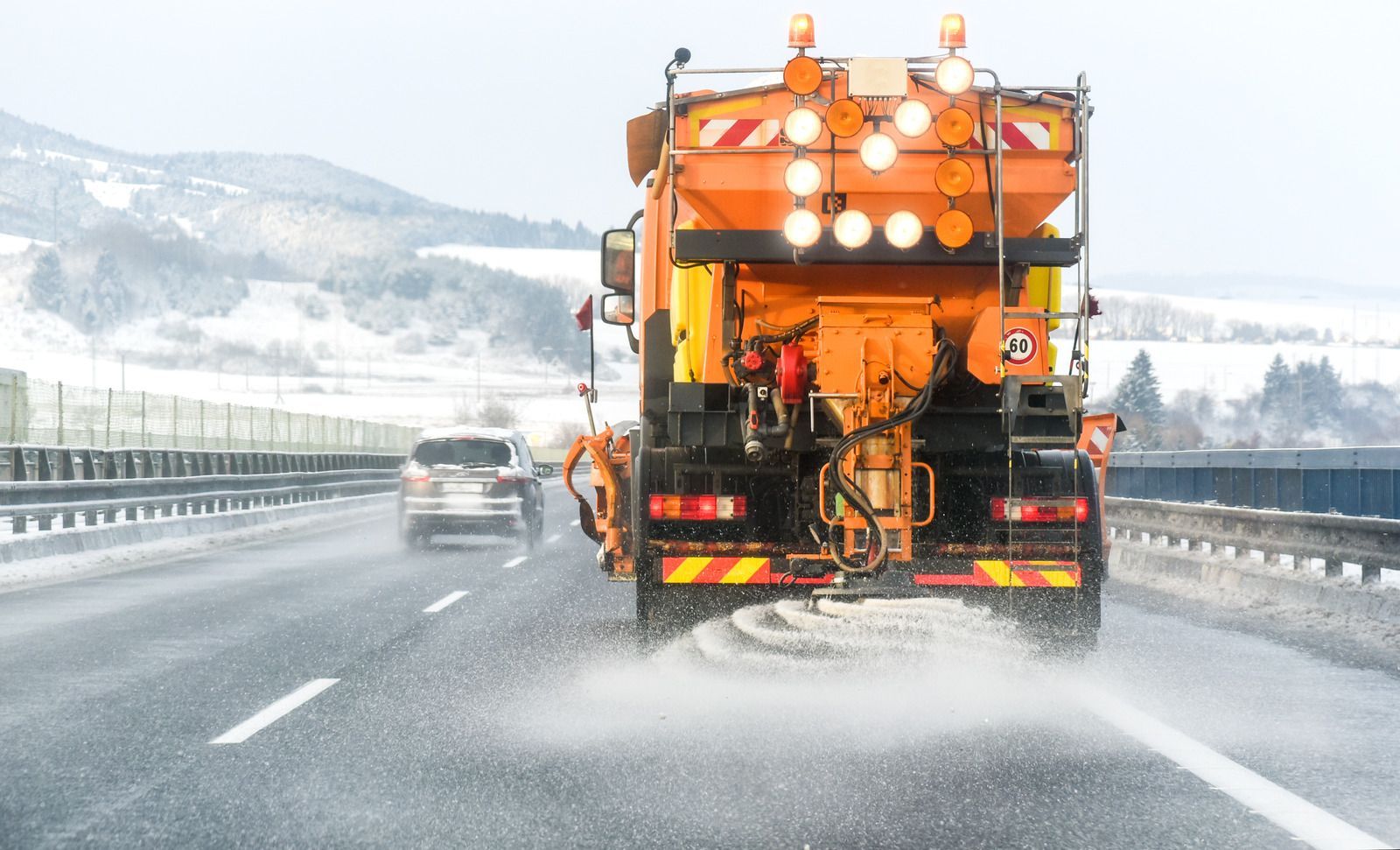
Salting and Ice Control
Material goes down after clearing, matched to pavement temperature rather than air temperature. Below roughly 20 degrees rock salt loses most of its bite, so we switch products or add traction material instead of burying the lot in salt.
BEFORE IT LANDS
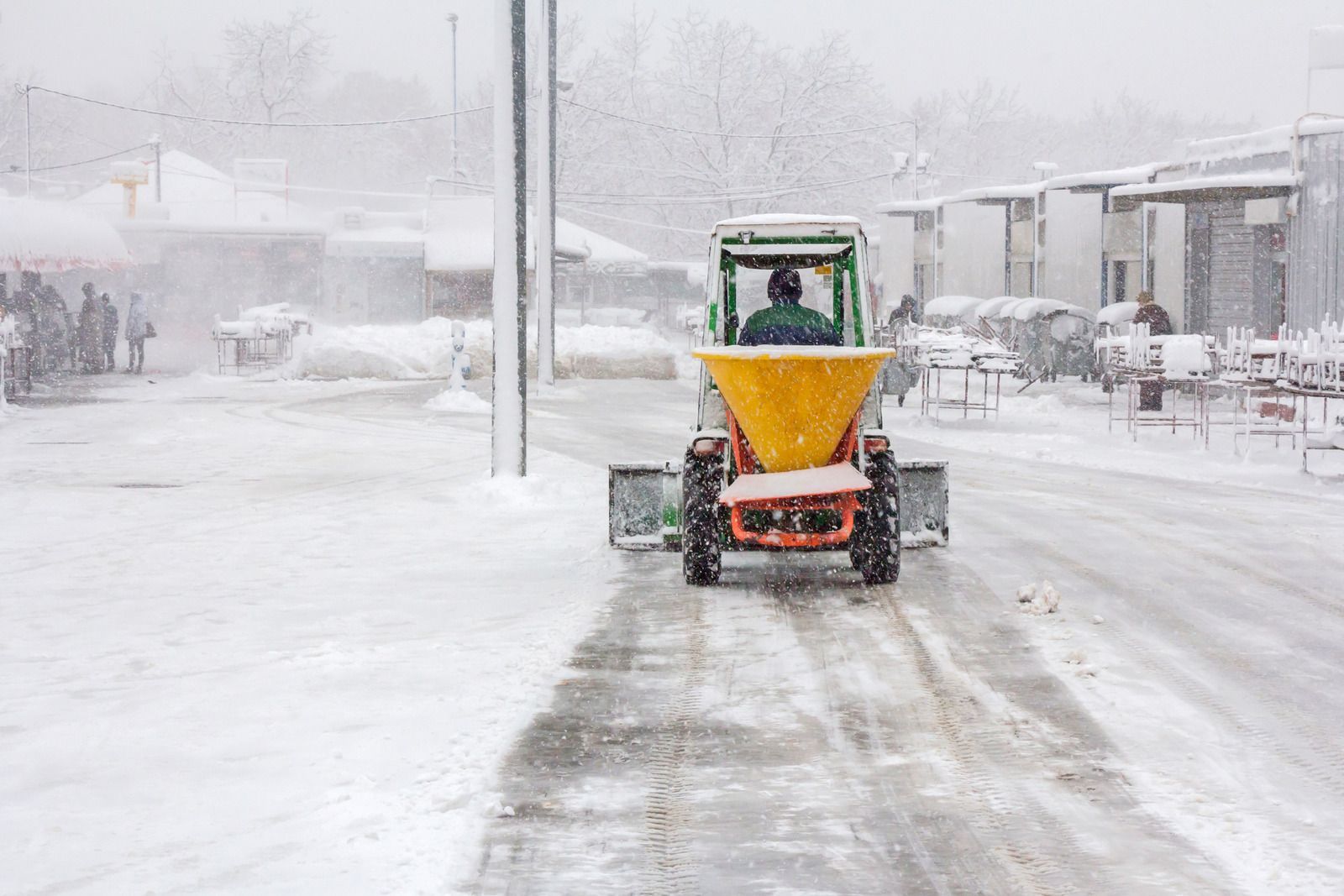
Pretreatment and Anti-Icing
Treating a surface before the storm keeps snow from bonding to the pavement, which makes the plow pass faster and cleaner. It works best on lots and walks that must stay open through the event.
BIG DUMPS
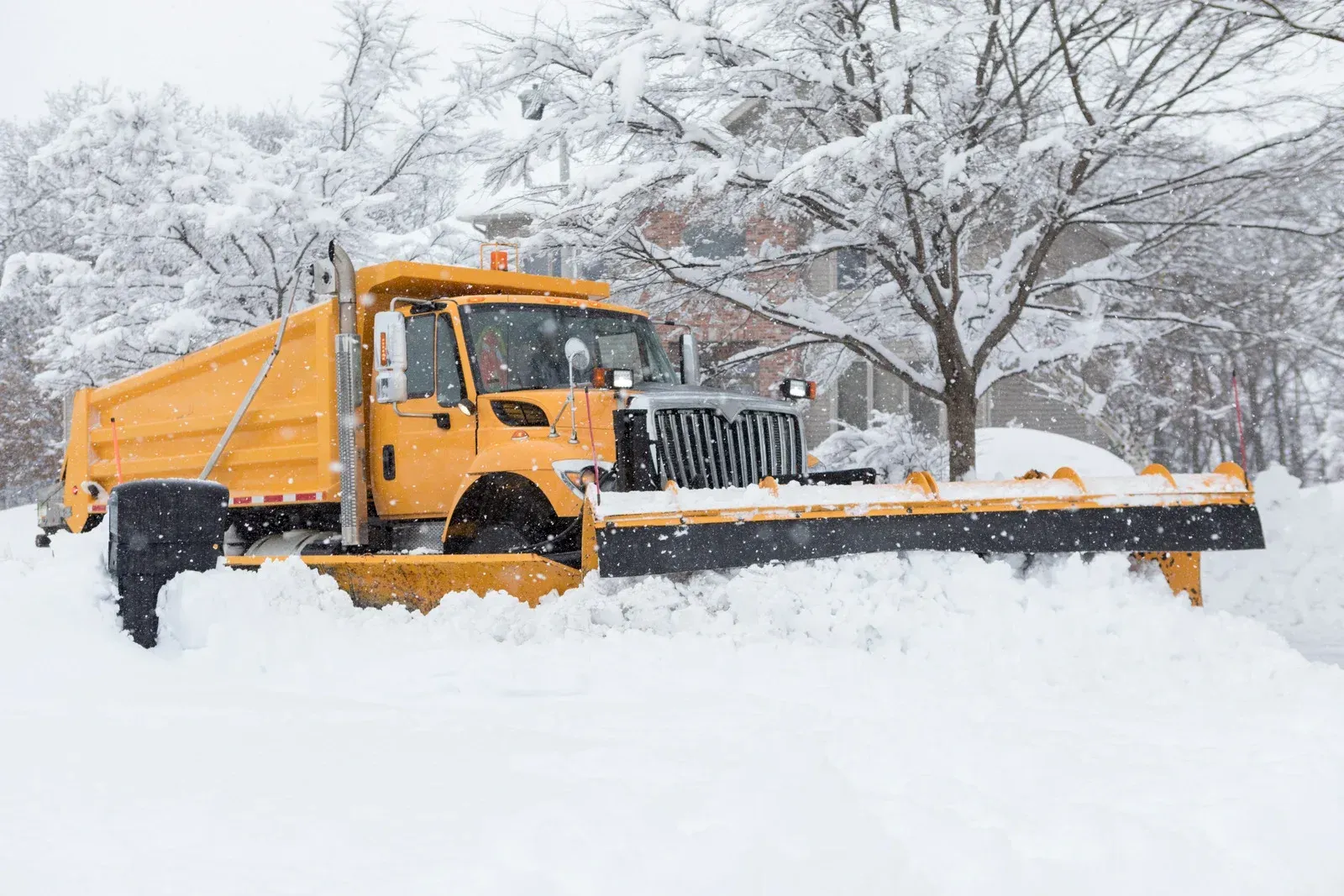
Storm Response and Relocation
Some storms need more than one visit. We run repeat passes through long events, return after plows berm the apron, and relocate piles that block stalls, sight lines or storm drains once the snow stops.
➜ THE WORD ON OUR WORK
WHAT OUR CLIENTS SAY.
Winter clients tend to review one thing: whether we showed up when the forecast turned bad. The notes we get back mention early morning clearing and drives done before anyone left for work. Read what Decatur property owners have said about our winter service.
➜ Common Questions
FREQUENTLY ASKED QUESTIONS.
Winter questions come in two flavors: when will you come, and what goes down on the ice. Here are the answers, including the ones about salt that surprise people.
When should you start plowing snow?
Once accumulation reaches the trigger depth on your agreement, commonly 2 inches. Waiting for a storm to finish sounds efficient but leaves a compacted layer that bonds to pavement and takes far longer to remove.
Should I shovel before it stops snowing?
During a long storm, yes. Clearing partway through keeps the layer manageable and stops it packing into ice. Lawns to Impress runs repeat passes on longer events across Decatur, IL rather than waiting for the end.
Should I salt my driveway before or after it snows?
Both have a place. A light application before the storm keeps snow from bonding to the surface, and a second round after clearing handles the refreeze. Salting on top of unplowed snow mostly wastes material.
Does salt work below 20 degrees?
Barely. Rock salt loses most of its melting power below 20 degrees and stops being useful near 15. In that range we switch to a different product or add sand for traction.
Is sand or salt better for ice?
They do different jobs. Salt melts ice at moderate temperatures. Sand melts nothing but gives grip immediately and keeps working in deep cold, which is why both end up on the truck.
Is ice melt safe for concrete?
Used sparingly, most products are fine on cured concrete. Damage comes from heavy application and repeated freeze-thaw cycles pulled into the surface. A coffee mug of salt treats an entire average driveway.
Is ice melt safe for pets?
It depends on the product. Rock salt irritates paws and upsets stomachs if licked off. Pet-safer blends cost more but reduce that risk, and rinsing paws after a walk helps either way.
How does snow removal service work?
You sign on before winter, we set a trigger depth and a priority order, then we dispatch automatically when a storm hits it. Lawns to Impress serves Decatur, IL on both per-event and seasonal arrangements.
➜ HOW WE WORK
FROM FORECAST TO FINAL PASS, HERE IS HOW.
STEP 01
WE WALK IT IN THE FALL
Before the first storm we map the property: where snow can go, where it cannot, which surfaces are fragile and where the sprinkler heads and curbs hide. Markers go in while the ground is soft.
STEP 02
WE AGREE ON THE TRIGGER
You choose the depth that starts service and the order things get cleared. Zero-tolerance sites get a lower trigger and more frequent passes. Everything is written down so nobody argues at 4 in the morning.
STEP 03
WE WATCH THE FORECAST
Equipment gets fueled, loaded and staged before the front arrives rather than after. Pretreatment goes down on the sites that need to stay open while the snow is still falling. You do not have to call us first.
STEP 04
WE CLEAR IN ORDER
Drive lanes open first so vehicles can move, then parking areas, then walks and entries. Snow goes to the stacking spots chosen in the fall, never against a building or over a storm drain.
STEP 05
WE TREAT THE REFREEZE
Melt water runs and refreezes as temperatures drop after a storm, especially on shaded walks and north-facing entries. A second visit puts material where that ice forms instead of everywhere at once.
STEP 06
WE CHECK BEFORE WE LEAVE
A walkthrough catches the plow berm across the apron, the drift rebuilding behind the dumpster and the step nobody cleared. Fixing it now is faster than coming back once it freezes solid.
➜ GET YOUR FREE ESTIMATE
LOCK IN YOUR WINTER SPOT, FREE.
Snow routes are built before the season starts and they do fill. Send your address and a note about the property through the contact page, and we will price the winter and hold your place on the list.
WHAT YOUR WINTER ESTIMATE COVERS:
- A site walk and snow stacking plan
- Your trigger depth and clearing order in writing
- Per-event or seasonal pricing, your choice
- Salting and ice control after every push
- Sidewalks and entries included, not extra
- $50 off when lawn care is bundled with snow