

➜ DEMOLITION
DEMOLITION IN Decatur, IL
Decatur will not release a demolition permit until every utility is verified disconnected first, and masonry foundations have to come out at least 3 feet below grade. Lawns to Impress takes down old sheds, garages, decks, fences and concrete slabs across Decatur, IL, plus Mount Zion and Warrensburg, handling the permit, the debris sorting and the backfill work afterward.

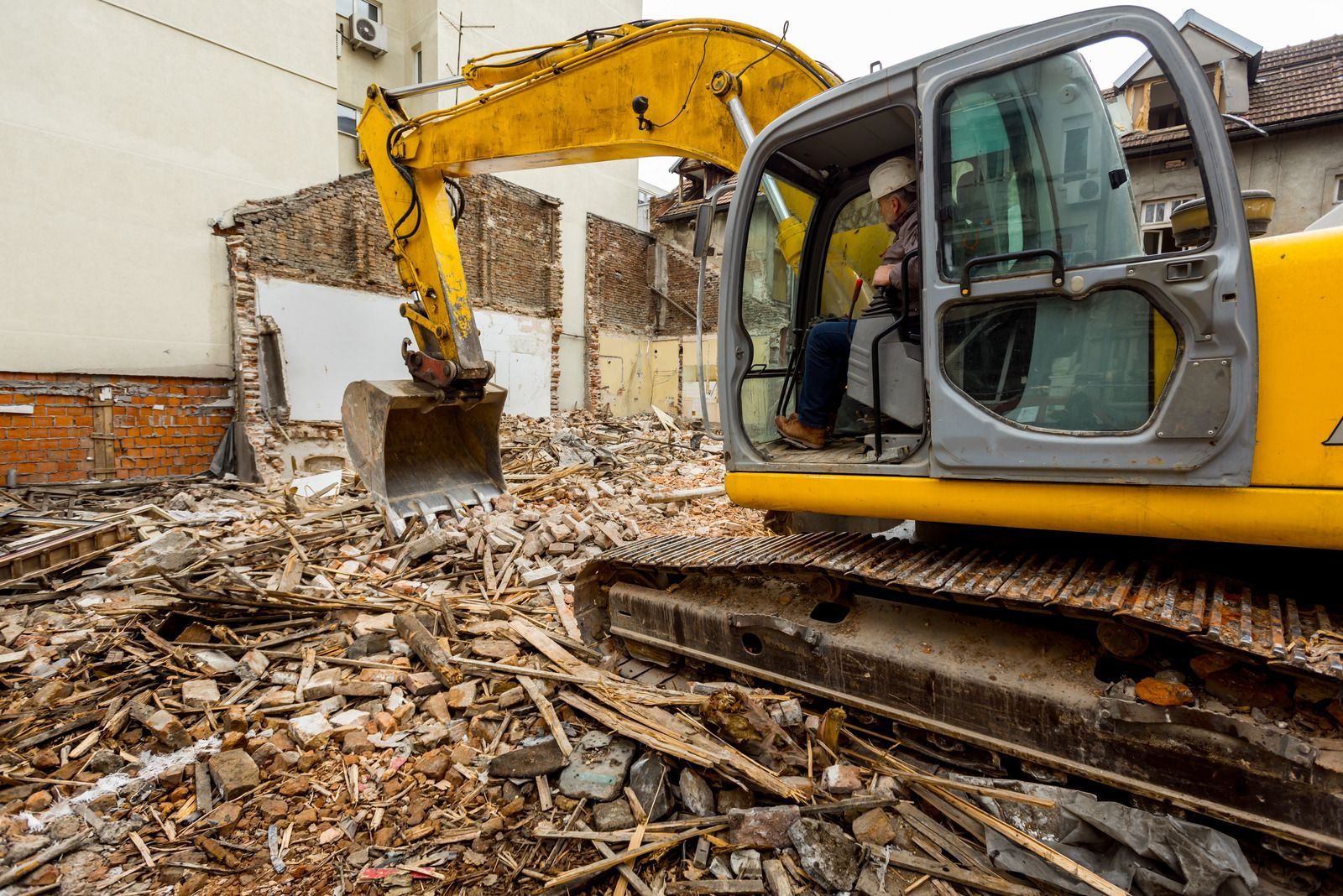
THE TEARDOWN IS THE EASY PART.
Knocking a structure over takes an afternoon. Everything around it takes longer and matters more. Decatur requires a demolition permit and will not release it until the city has verification that electric, gas, water and sewer are disconnected. Masonry foundations have to come out to at least 3 feet below grade before anyone backfills. We work through that list before the machine starts.
Disposal has rules too. Clean concrete and brick without rebar can go to an approved fill site, while mixed debris goes to a landfill. Sorting as we load is what keeps a teardown from costing more than it should.
- Insured crews and permit paperwork handled upfront
- Utility disconnection verified in advance
- Foundations removed and the hole backfilled
- Debris sorted and hauled to approved sites
➜ DEMOLITION
ONE LESS EYESORE BY THE WEEKEND.
Most of what we tear down should have come down years ago. A garage with a sagging roofline. A deck nobody trusts anymore. A slab where a shed used to sit, cracking apart with weeds through the middle. These are not big projects, they are just projects nobody wants to start, and the equipment to do them safely is not in your garage. We show up with it and the problem is gone.
DECATUR WANTS UTILITIES CAPPED BEFORE ANYTHING FALLS.
The city building code is specific about this. A demolition permit is required, the fee depends on the structure type, and work cannot start until the building division has verification that every service has been removed or disconnected. Accessory buildings have their own fee, and when a house comes off a lot the outbuildings have to go too. We handle those steps so nobody gets a stop work order halfway through.
PERMIT DESKS DO NOT SLOW US DOWN.
Paperwork is where most small demolition jobs stall. We know which form the city wants, what verification the building division asks for and how long the asbestos notification takes on anything that needs one. 5 years of pulling permits around here means the schedule we give you accounts for the office side, not just the machine side. That is why our start dates hold. Nobody likes waiting on a form.
WHAT A CLEAN TEARDOWN LEAVES BEHIND
Usable Ground Where A Problem Stood
Removing a structure gives back the square footage it was sitting on. That corner becomes a garden, a parking pad, a shed site or just open lawn that finally mows in one pass.
A Liability Off The Property
Failing decks, unstable outbuildings and cracked slabs are injury claims waiting for a guest or a tenant. Removing them ends the risk instead of managing it with a warning and a padlock.
Nothing Left To Backfill Later
Foundations, footings and buried slabs come out rather than getting covered over. Ground that was properly cleared and filled can be built on again without somebody discovering concrete a foot down the hard way.
A Property That Shows Better
Buyers and appraisers price what they see, and a collapsing structure drags the whole lot down with it. Clearing it changes the first impression more than anything you could add in its place.
Fewer Places For Pests To Live
Rotting sheds, woodpiles and abandoned decks are shelter for rodents, wasps and everything else that eventually finds the house. Taking the structure out removes the habitat along with the eyesore.
One Contractor Through The Whole Job
Demolition, hauling, grading and seeding usually involve three phone numbers. We do all of it, so the lot goes from structure to finished ground without anyone coordinating between trades on your behalf.
➜ WHAT WE REMOVE
OUR DEMOLITION WORK
We take on the small and mid-sized teardowns that big demolition outfits do not bother with. If it is on a residential lot or a small commercial property, it is probably on this list.

OUTBUILDINGS
Shed and Garage Demolition
Detached garages, sheds, workshops and carports taken down to the slab or below it. Anything salvageable can be set aside, and the footprint gets graded so the ground is ready for whatever replaces it next.

OUTDOOR LIVING
Deck, Porch and Pergola Removal
Wood structures come apart faster than they went up, but the footings underneath are what people forget. We pull posts and piers, fill the holes and leave the area level rather than pocked with craters.

HARD SURFACES
Concrete Slab and Driveway Removal
Old driveways, sidewalks, patios and slabs broken out and hauled off. Clean concrete without rebar can often go to an approved fill site, which is cheaper than sending it to a landfill and better for everyone.

PROPERTY LINES
Fence and Retaining Wall Removal
Leaning fence, rotted posts, a timber wall that gave up years ago. Everything comes out including the concrete footings, so the new install goes in clean instead of dodging whatever was left behind. Post holes get filled and tamped.
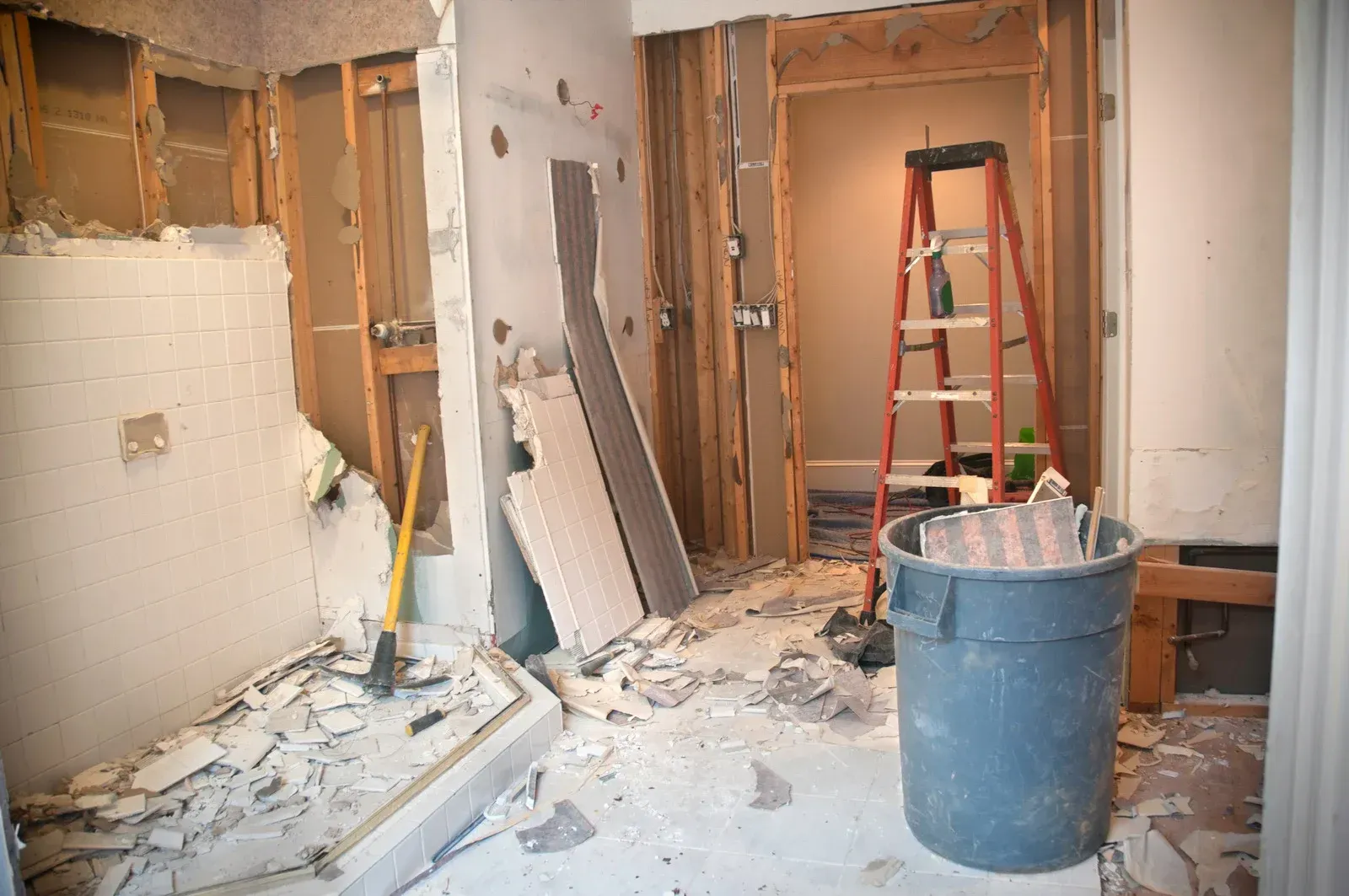
INSIDE WORK
Interior Demolition
Selective removal down to the studs: flooring, cabinets, drywall, fixtures and nonstructural walls. Everything gets carried out, sorted and hauled, so the space is ready for the trade that comes next. We protect what stays.
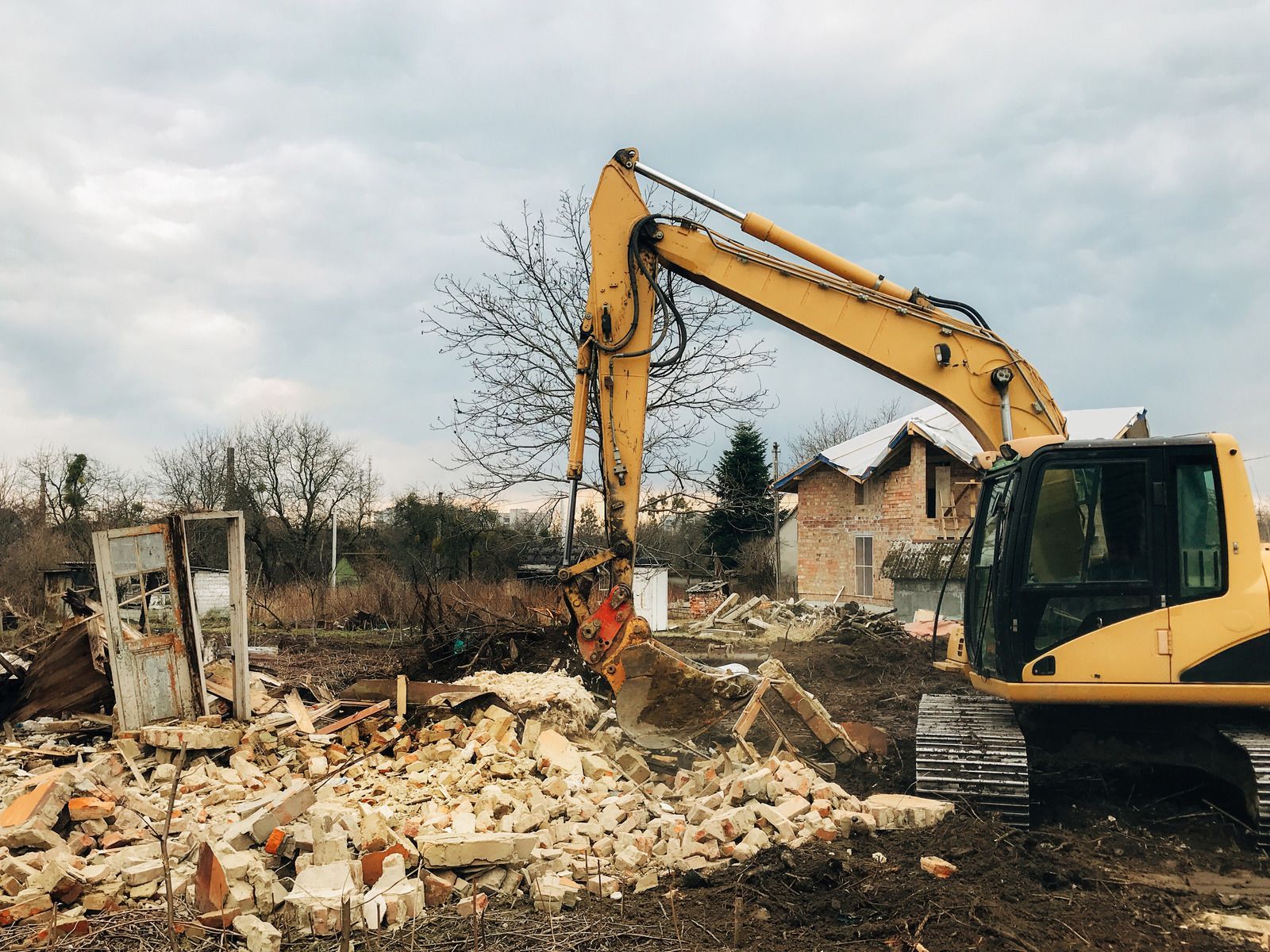
FULL RESET
Site Clearing After Demolition
Once the structure is gone the ground still needs work. We remove foundations, fill and compact the void, shape the grade to drain and can seed or sod the area to finish it in the same trip.
➜ THE WORD ON OUR WORK
WHAT OUR CLIENTS SAY.
Teardown clients usually comment on two things: how quickly it was over and how little was left behind. Nobody expects the lawn around the work to look untouched. Read what Decatur property owners have said about the structures we removed for them.
➜ Common Questions
FREQUENTLY ASKED QUESTIONS.
Demolition questions are mostly about permits and what happens to the pile afterward. Here is how it works on a typical residential teardown in this city, start to finish.
Do I need a permit to tear down my shed?
In Decatur, yes. Accessory structures like sheds and garages carry their own demolition permit fee, and the city will not release it until utilities are verified disconnected. Lawns to Impress files that paperwork for clients in Decatur, IL.
Can I demolish a shed myself?
Legally you may still need the permit, and physically it depends on the shed. Anchored slabs, buried footings and disposal are where homeowner teardowns stall out, usually after the roof is already off.
What is the first step before starting any demolition work?
A survey of the structure and getting every utility shut off, capped or controlled outside the building line. Electric, gas, water and sewer all have to be dealt with before anything comes down.
What does OSHA require prior to beginning demolition?
An engineering survey by a competent person, documenting the condition of framing, floors and walls and the risk of unplanned collapse. Utilities must also be shut off and controlled before work begins.
What is interior demolition?
Removing the inside of a building while leaving the structure standing. Flooring, cabinets, fixtures, drywall and non-load-bearing walls come out so the space can be rebuilt from the studs.
What is the best way to remove an old concrete driveway?
Break it into manageable pieces with the right equipment, then load and haul. Clean concrete without rebar can go to an approved fill site. Lawns to Impress removes drives and slabs across Decatur, IL and regrades afterward.
What is left after demolition?
That depends on the scope. A proper job leaves cleared, filled and graded ground with foundations removed to the required depth. A cheap one leaves buried concrete and a hole that settles later.
How do I get rid of an old deck?
Deconstruct it rather than push it over, since the boards, hardware and footings all go different places. Treated lumber cannot be burned, and the concrete piers need to come out with it.
➜ HOW WE WORK
FROM PERMIT TO FINAL GRADE, HERE IS HOW.
STEP 01
WE LOOK AT WHAT IS THERE
Structure type, size, access and what is attached to it decide the equipment and the paperwork. Older buildings get flagged for the checks that materials from that era sometimes require before a date is set.
STEP 02
WE PULL THE PERMIT
The demolition permit application goes in with the required details, and we track it through the building division. Nothing is scheduled until the city has released it in writing. That protects you as much as us.
STEP 03
WE CONFIRM THE UTILITIES
Electric, gas, water and sewer get disconnected and verified, and a locate request goes in before any digging. This is the step that turns a demolition into a safe demolition rather than a story.
STEP 04
WE PROTECT WHAT STAYS
Fences, trees, utilities, neighboring structures and the lawn all get considered before the machine moves. Access routes are chosen so heavy equipment does not rut half the yard getting there and back out.
STEP 05
WE TAKE IT DOWN AND SORT IT
The structure comes apart in a controlled order, and material is separated as it loads. Clean concrete and masonry go one direction, general debris another, salvage into a pile if you want it.
STEP 06
WE FILL AND FINISH
Foundations come out to the depth the code requires, the void gets filled and compacted in lifts, and the surface is graded to drain. Seed or sod goes down if you want it green again.
➜ GET YOUR FREE ESTIMATE
SCOPE YOUR TEARDOWN, FREE.
Send photos of what needs to come down and we will tell you what the permit requires, what the disposal involves and what the finished ground will look like. The estimate visit costs nothing.
WHAT YOUR DEMOLITION ESTIMATE COVERS:
- A site visit and structure assessment
- Permit application handled on your behalf
- Utility disconnection verification before work starts
- Foundation removal depth stated in writing
- Sorted disposal at approved IL sites
- Backfill, compaction and final grading