

➜ Fertilization & Weed Control
FERTILIZATION AND WEED CONTROL IN Decatur, IL
Crabgrass germinates once soil holds above 55 degrees, which lands in mid to late April here, and the most valuable feeding of the year falls between August 15 and September 15. Lawns to Impress times weed control, grub and fertilizer rounds to soil conditions rather than a fixed date, across Decatur, IL, plus nearby Mount Zion, Forsyth and Warrensburg.
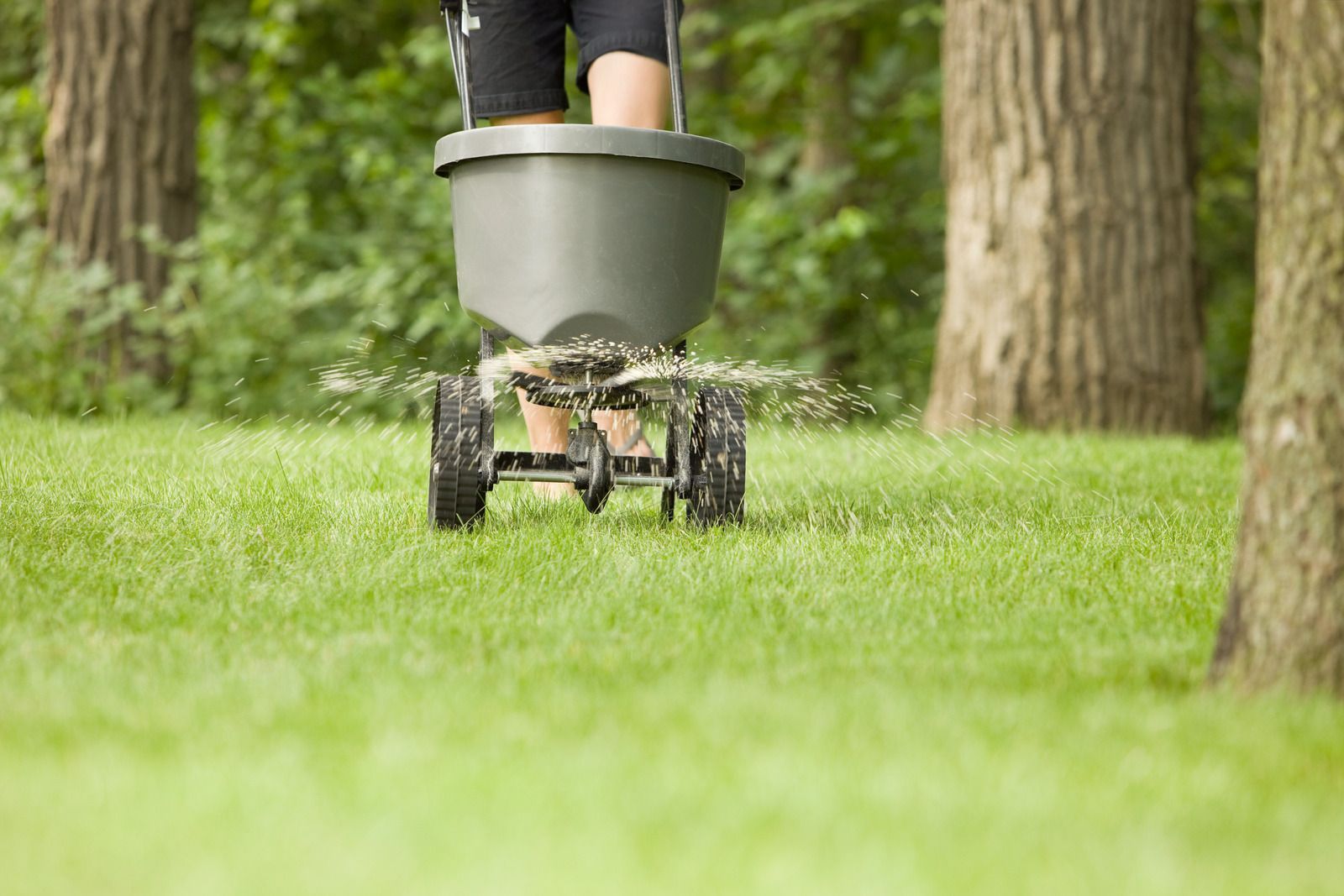
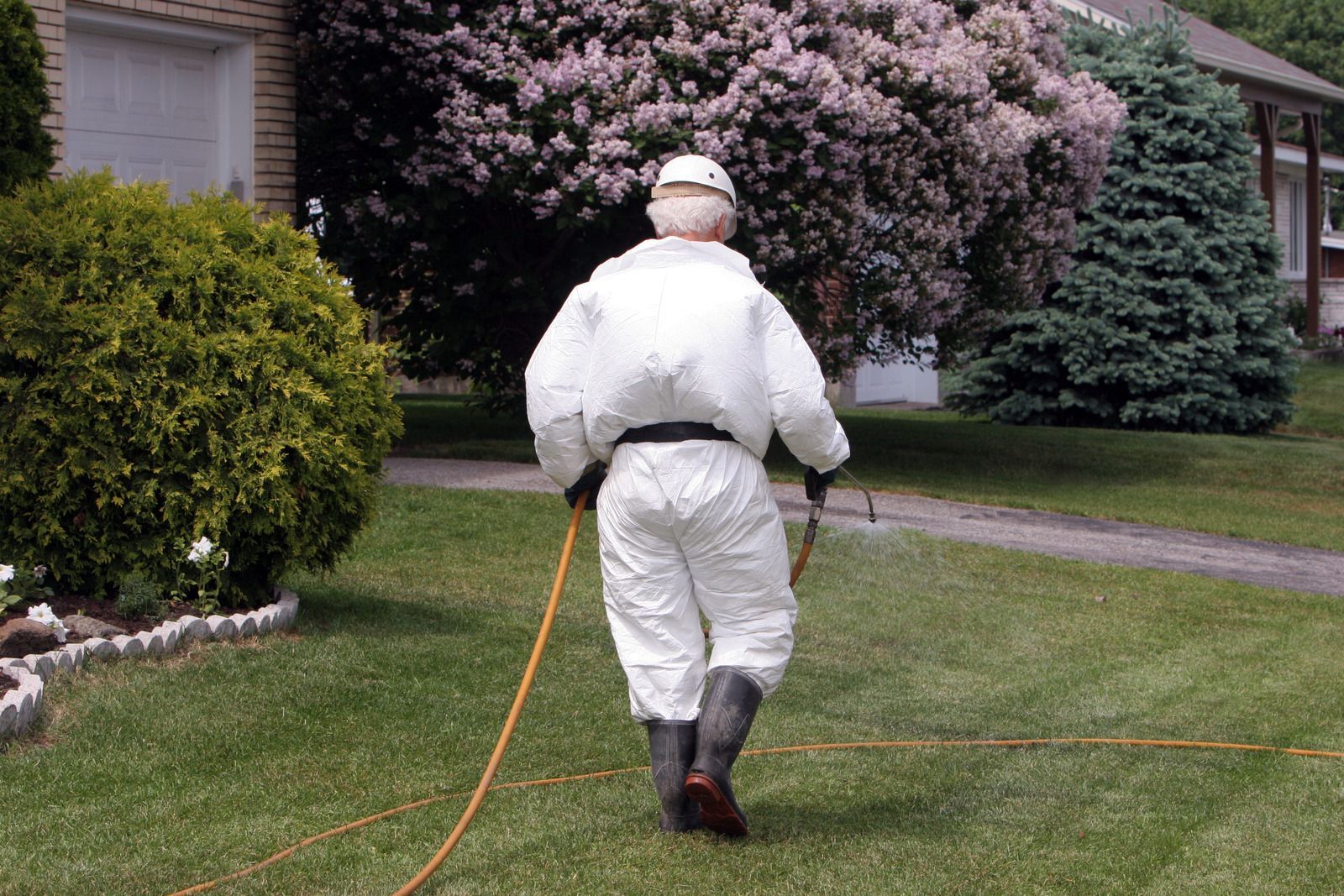
A THICK LAWN CROWDS WEEDS OUT ON ITS OWN.
Spraying is what happens after the real problem has already won. Weeds move into thin turf, compacted soil and lawns cut too short, so most of a good program is about making grass dense enough that seed never finds bare ground. Roughly 3 pounds of nitrogen per 1,000 square feet across a season does more for weed pressure than any herbicide.
Timing does the rest. Crabgrass germinates once soil holds above 55 degrees for a stretch of days, which lands in mid to late April here, and a pre-emergent applied after that is mostly wasted money.
- Applications timed to soil temperature, not the calendar
- Pre-emergent, broadleaf, grub and fertilizer rounds
- Insured crews, with lawn markers posted as IL law requires
- Clear guidance on watering and re-entry after treatment
➜ FERTILIZATION AND WEED CONTROL
GRASS THAT OUTCOMPETES THE CRABGRASS.
There are two ways to have a lawn without dandelions. One is spraying every few weeks forever. The other is feeding at the right times, mowing high, watering deeply and letting the turf close ranks until weed seed has nowhere to land. We build programs around the second approach and use products where they are genuinely needed, which usually means fewer applications rather than more over a season.
CENTRAL IL HAS A NARROW APPLICATION WINDOW.
The single most valuable feeding of the year here lands between August 15 and September 15, when cool-season grass puts energy into roots rather than blades. Spring nitrogen applied too early pushes soft top growth and stunts the root system underneath. Pre-emergent goes down in mid to late April, and most products only hold for 4 to 6 weeks, so a second round is common.
WE READ THE SOIL THERMOMETER, NOT THE CALENDAR.
Every spring somebody puts crabgrass preventer down in March because the weather felt right, and every summer that same lawn fills with crabgrass anyway. Soil temperature is what triggers germination, and it moves year to year. Across 5 years of treating lawns here we have learned to watch the ground rather than the date, and to tell clients honestly when an application would simply be wasted money.
WHAT A TREATED LAWN GIVES BACK
Color That Holds Through August
Feeding at the right times keeps grass green when unfed lawns go pale and thin. The difference is most obvious in late summer, which is exactly when everyone is looking at your yard.
Fewer Weeds Every Year, Not More
A program that thickens turf reduces the seed bank over time. Lawns treated consistently need less herbicide in year three than in year one, which is the opposite of how spray-only approaches go.
Roots That Survive A Dry July
Late season feeding builds the root mass that carries a lawn through heat and drought. Deeper roots reach water shallow ones cannot, so dormancy arrives later and recovery comes faster.
Grub Damage Caught Before The Turf Dies
Grubs feed under the surface and the damage shows only once roots are gone. Preventive timing in July stops the population before it reaches the threshold where patches lift like carpet.
Products Used Only Where They Belong
Blanket spraying an entire lawn is easy and often unnecessary. Spot treating what is actually there means less material on your property, less on your shoes and less running into the storm drain.
No Guesswork About Safety
You get told exactly what went down, when the lawn is safe to use again and what the label requires. The marker goes in the ground the same day, because state law says it has to.
➜ WHAT WE APPLY
OUR LAWN TREATMENT WORK
A season breaks into rounds, and each one has a job. Here is what goes down and roughly when, adjusted every year to what the weather and the soil are doing that spring.

EARLY ROUND
Pre-Emergent Crabgrass Control
Applied and watered in before soil holds above 55 degrees, which usually means mid to late April here. It stops seed from establishing, so it has to be down before germination rather than after you notice the problem.
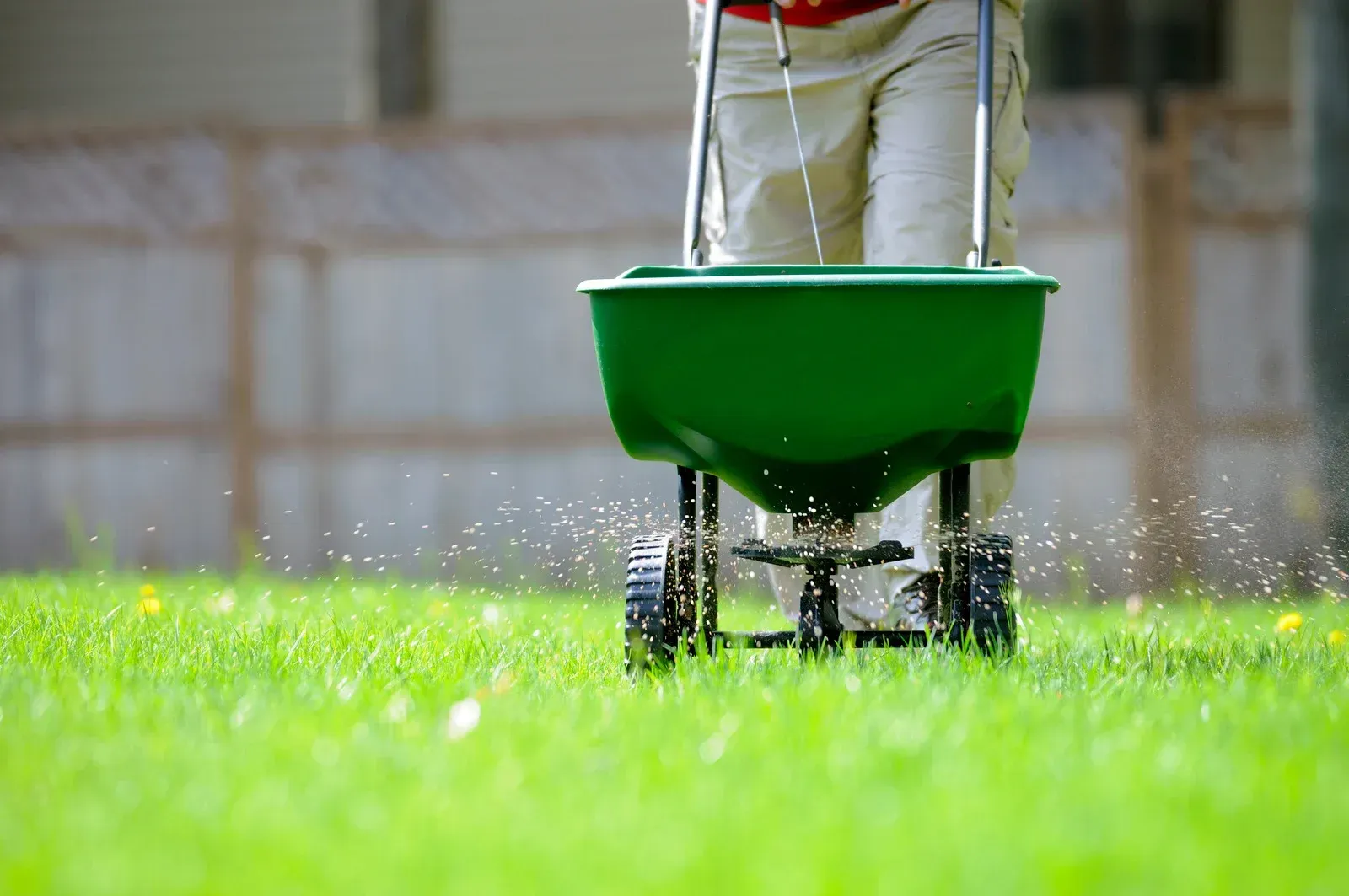
FEEDING
Seasonal Fertilizer Applications
Balanced feeding spread across the year rather than dumped on in spring. No single application goes above a pound of nitrogen per 1,000 square feet, and the heaviest round lands in late summer where it counts most.
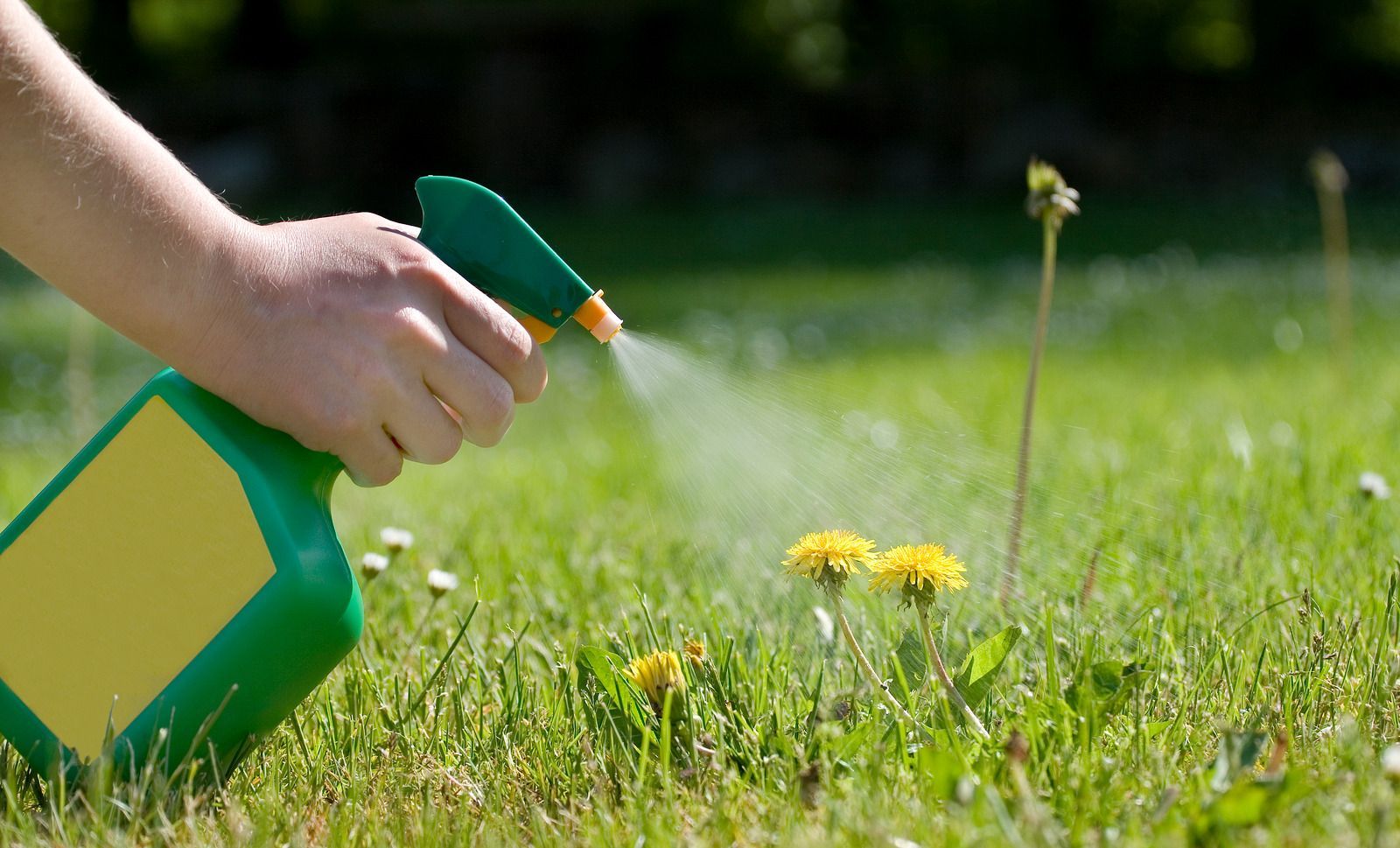
BROADLEAF
Dandelion and Clover Control
Selective herbicide that takes out broadleaf weeds without harming the grass around them. Fall applications work better than spring ones, because perennial weeds are moving energy down into their roots and taking the product with them.

UNDERGROUND
Grub and Insect Control
Preventive material applied in July and watered in immediately, ahead of the damage. Curative treatment in spring rarely works well, because mature grubs are already finishing their feeding and are difficult to reach. That is why we plan ahead.
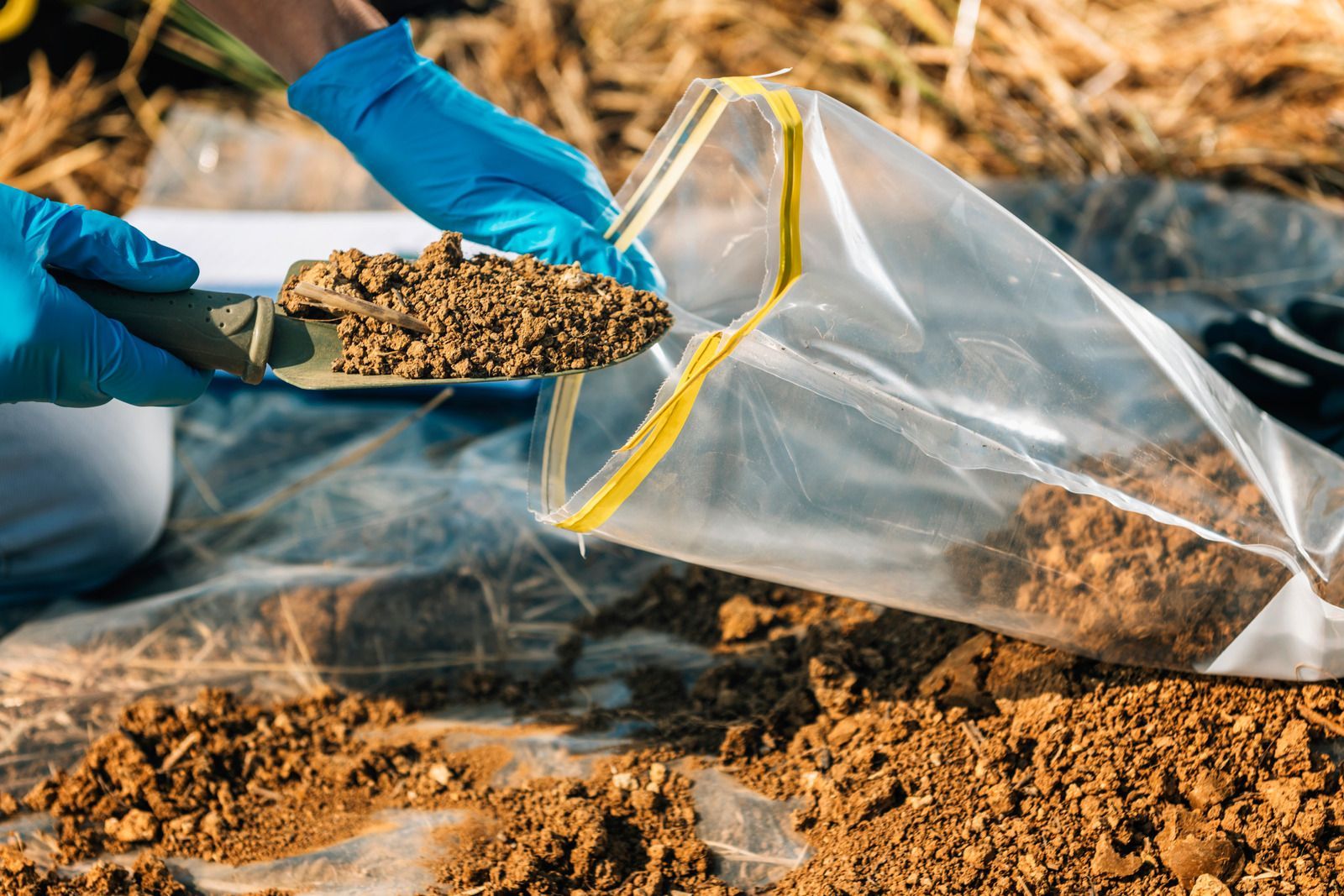
THIN SPOTS
Soil Testing and Amendment
A test tells you whether pH, phosphorus or potassium is the real limit before anyone spends money on more nitrogen. Lime or amendment goes down based on results, not on a guess or a sales pitch.
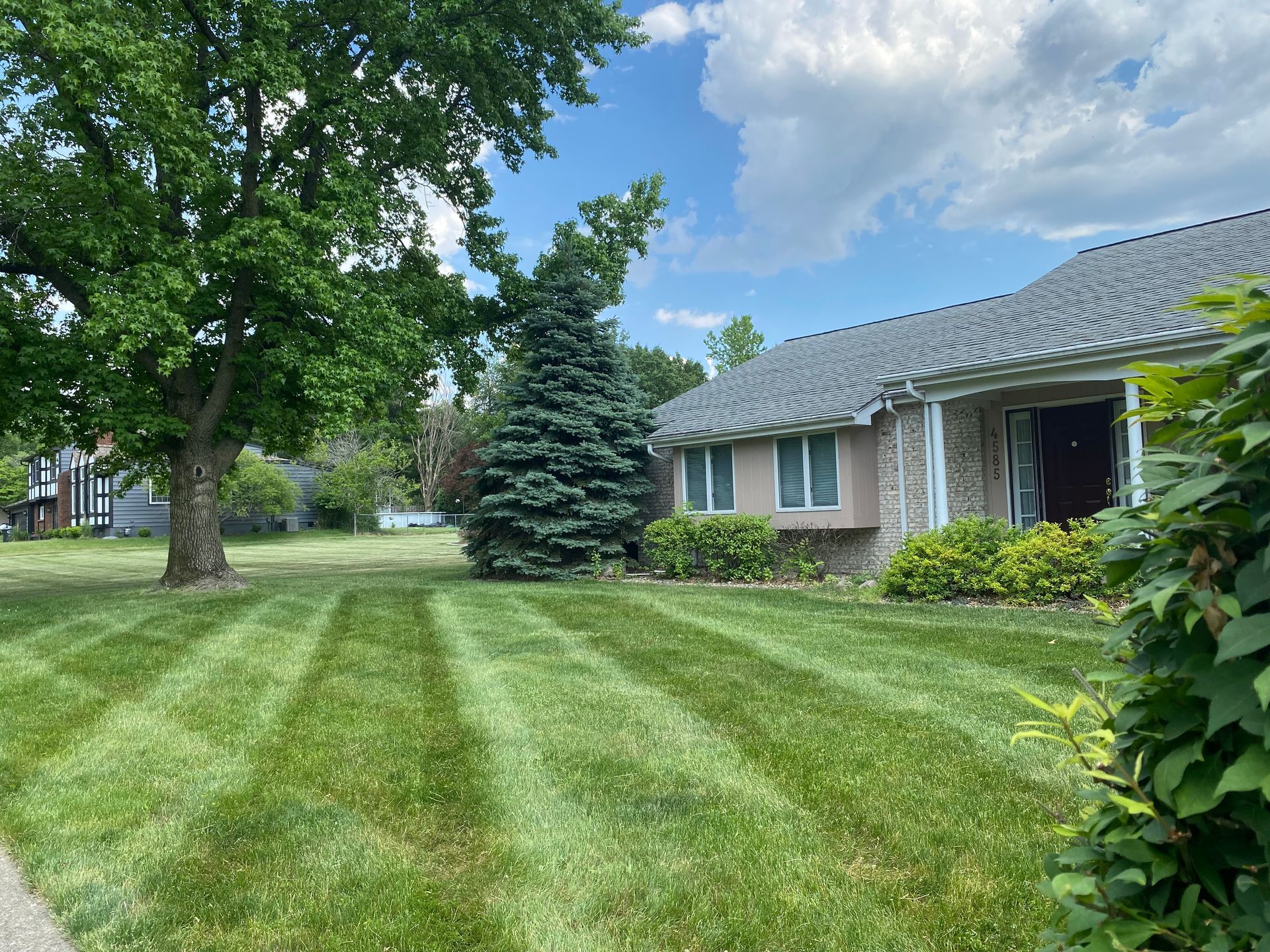
RECOVERY
Lawn Renovation and Repair
Where turf is too thin to save with products alone, aeration, overseeding and topdressing rebuild the stand. Late August into September gives new seed the best chance to root before frost arrives in October.
➜ THE WORD ON OUR WORK
WHAT OUR CLIENTS SAY.
Treatment clients notice the change slowly and then all at once, usually around the second season. The reviews mention thicker turf, fewer dandelions and a crew that explains what went down. Read what Decatur homeowners have said about our lawn programs.
➜ Common Questions
FREQUENTLY ASKED QUESTIONS.
Treatment questions almost always come down to timing and safety. Here are the answers, including the two everyone asks about kids and dogs before we even open the truck.
When is the best time to apply pre-emergent herbicide?
Mid to late April in central IL, before soil temperatures hold above 55 degrees for several days. It has to be watered in by rain or irrigation to activate, and it works only before germination.
Can you put down crabgrass preventer too early?
Yes. Most products only last 4 to 6 weeks, so a March application can expire before crabgrass ever germinates. Lawns to Impress times the first round to soil conditions across Decatur, IL and splits it when needed.
Will pre-emergent prevent grass seed from germinating?
Yes, with one exception. Nearly every pre-emergent stops desirable grass seed the same way it stops crabgrass, so seeding and pre-emergent cannot happen together unless a specific product is chosen for it.
How often should I fertilize my lawn?
Most sunny lawns want around 3 pounds of nitrogen per 1,000 square feet across the season, split into several rounds. Shaded lawns want roughly half that, since less light means less growth to support.
Should I water my lawn immediately after applying fertilizer?
Granular fertilizer needs watering in to move nutrients into the soil and to keep material off blades where it can burn. Liquid weed control is the opposite and needs time to dry first.
How long should I stay off my lawn after a treatment?
Until the lawn is dry, which is what the label and IL law both require. Lawns to Impress posts the required marker on every property we treat in Decatur, IL so nobody has to guess.
When is the best time to treat for grubs?
July, before the damage appears. Preventive material applied then and watered in reaches the young grubs. Waiting until patches show usually means the roots are already gone and the lawn needs seeding.
What time of year should you kill clover in a lawn?
Fall, once temperatures cool and the plant is moving resources into its roots. Products applied then travel down with that flow, which is why autumn treatments hold better than spring ones.
➜ HOW WE WORK
FROM SOIL CHECK TO FINAL ROUND, HERE IS HOW.
STEP 01
WE LOOK AT THE LAWN
Grass type, thatch depth, weed species, shade, compaction and how it is being mowed all get checked. Half the problems we find are cultural rather than chemical, and those are cheaper to fix.
STEP 02
WE BUILD THE PLAN
Rounds get scheduled around your grass type and the coming season rather than a national template. You see what is planned, roughly when it happens and what each application is meant to accomplish.
STEP 03
WE WATCH THE SOIL
Application dates move with conditions. A cold April pushes the first round back and a warm one pulls it forward, because the ground decides when weed seed wakes up, not the schedule on the wall.
STEP 04
WE APPLY AND POST
Material goes down at label rate, spot treated where that is enough and broadcast where it is not. The lawn marker goes in immediately, as IL requires, with our contact details on it.
STEP 05
WE TELL YOU WHAT HAPPENS NEXT
You get watering instructions, a re-entry time and a note on what to expect. Some products want water immediately and others want dry weather for a day, and getting that wrong wastes the round.
STEP 06
WE ADJUST NEXT TIME
Every visit starts by looking at what the last one did. If a weed came back, the next round changes rather than repeating, and if the lawn is thriving we take material off the plan.
➜ GET YOUR FREE ESTIMATE
BUILD YOUR TREATMENT PLAN, FREE.
Tell us the address and what is bothering you, whether that is crabgrass, clover, thin patches or color that gives up in July. We will look at the lawn and put a season together.
WHAT YOUR LAWN PLAN COVERS:
- An on-site look at grass type, thatch and weeds
- A round-by-round schedule for the season
- Pre-emergent timed to soil temperature
- Fertilizer rates kept within agronomic limits
- Markers posted and re-entry times explained
- Aeration and overseeding priced alongside it