

➜ Paver Patios
PAVER PATIOS IN Decatur, IL
Nothing sinks a patio faster than a base that was never dug deep enough. Lawns to Impress builds paver patios, walkways and fire pits across Decatur, IL, plus Mount Zion and Long Creek, on 6 to 8 inches of compacted stone base for clay ground, set to a drainage slope with locked edge restraints and swept polymeric sand joints.
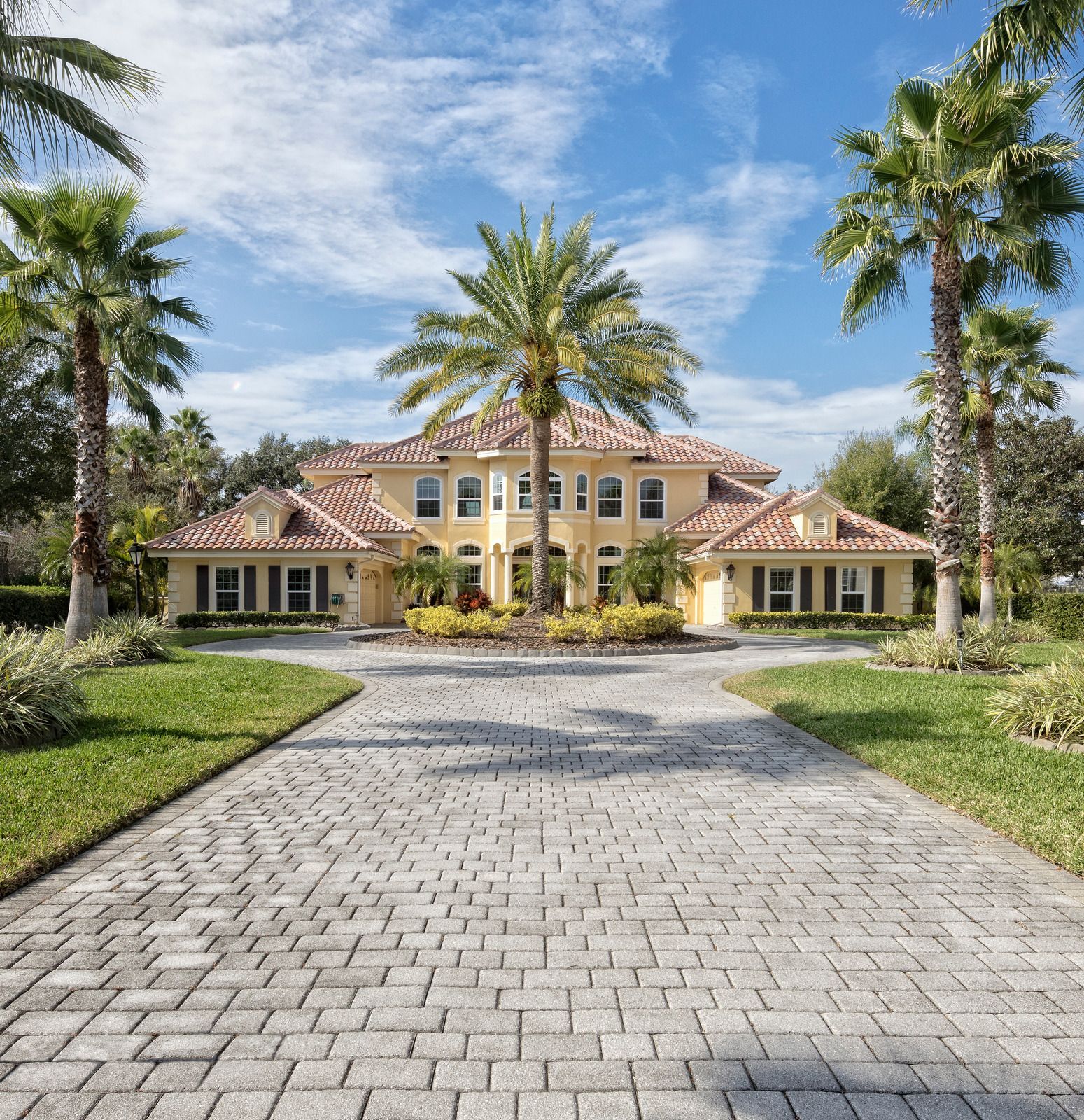
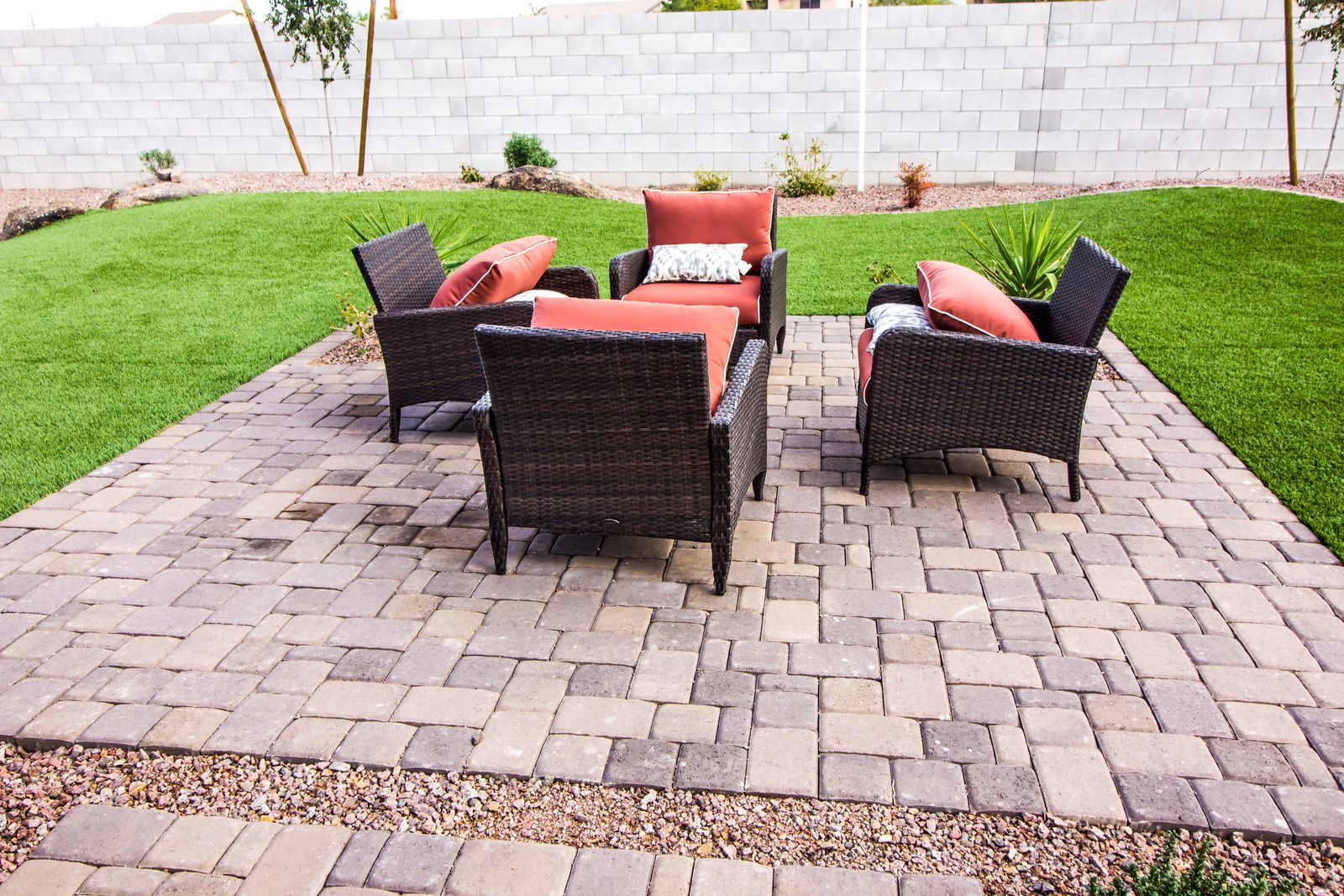
EVERY FAILED PATIO FAILED UNDERNEATH.
Pavers do not sink. The material under them moves, and the surface follows. Industry specification calls for at least 4 inches of compacted base for a walkway or patio, and another 2 to 4 inches in cold climates or over soils that stay wet. Central IL is both, which is why we dig deeper than the crew that quoted you a weekend job.
Geotextile fabric goes between subgrade and stone where the soil holds water, so the base does not slowly disappear into the clay. It costs very little and it is the difference between 5 years and 25.
- Excavation and base depth sized for clay soil
- Geotextile, compacted stone and screeded bedding sand
- Edge restraints and polymeric sand on every job
- Insured crews and a free on-site measurement
➜ PAVER PATIOS
AN OUTDOOR ROOM YOU ACTUALLY USE.
A patio earns its keep when it is big enough for the table, close enough to the door and shaded at the hour you sit outside. We lay out the space with those things in mind before a shovel moves, then set the elevations so water runs away from the house at the slope the specification requires. Furniture sits level. Chairs do not rock. Nothing puddles after a storm.
CLAY AND FROST ARGUE WITH SHALLOW BASES.
Water is the enemy here, not cold by itself. Saturated clay holds moisture, that moisture freezes and expands, and anything sitting on it lifts. A flexible paver system is built to handle that movement, but only if the base drains and the subgrade was compacted properly. Skip either step and the first hard winter tells on the work, usually right where the patio meets the house.
WE HAVE TORN OUT OTHER PEOPLE'S SHORTCUTS.
Most of what we know about building patios correctly came from removing ones that were not. Pavers set straight on dirt. Two inches of gravel under a fire pit. Edge spikes driven into soil instead of base. Those repairs taught us where the money actually belongs on a hardscape project, and in 5 years of building them here we have never regretted spending it below the surface.
WHAT A PROPERLY BUILT PATIO DELIVERS
A Surface That Stays Flat
Correct base depth, compaction and edge restraint keep pavers where they were set. No dipping corner, no lifted lip that catches a toe, no annual weekend spent lifting and resetting stones.
Repairs Measured In Single Pavers
Concrete cracks across a whole slab and the fix is obvious forever. A paver surface comes apart where the problem is, gets reset, and goes back together without a visible seam.
Water That Leaves The Patio
Built to the right slope, rain sheets off toward the yard instead of standing in low spots or running back at the foundation. Dry surfaces also stay cleaner and grow far less moss.
Joints That Stay Locked
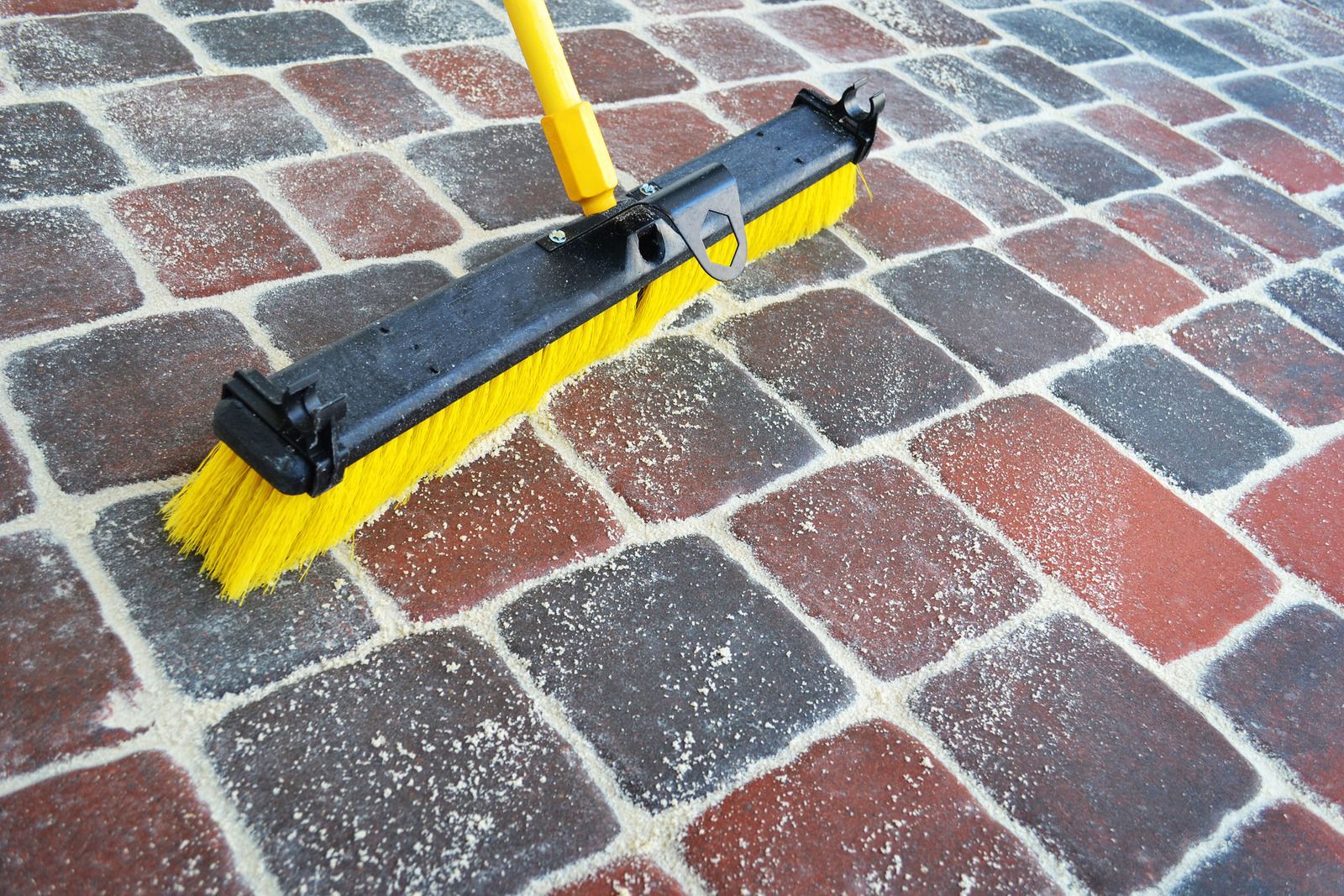
Polymeric sand binds the joints so they resist washout, ants and weed seed. Combined with a solid edge restraint, the field stays tight instead of spreading a little wider every season.
More Usable Square Footage
A patio turns unused backyard into a place people gather. Grilling, dining, fire pits and morning coffee all get somewhere to happen, which is space you were already paying property tax on.
Value A Buyer Can See
Hardscape reads as permanent improvement in a way that furniture and planters do not. A level, well-built patio photographs well in a listing and answers the question of what the backyard is for.
➜ WHAT WE BUILD
OUR PAVER PATIO WORK
Hardscape covers more than a square of pavers behind the house. These are the pieces we install, and most projects end up combining two or three of them on the same visit.
MAIN EVENT
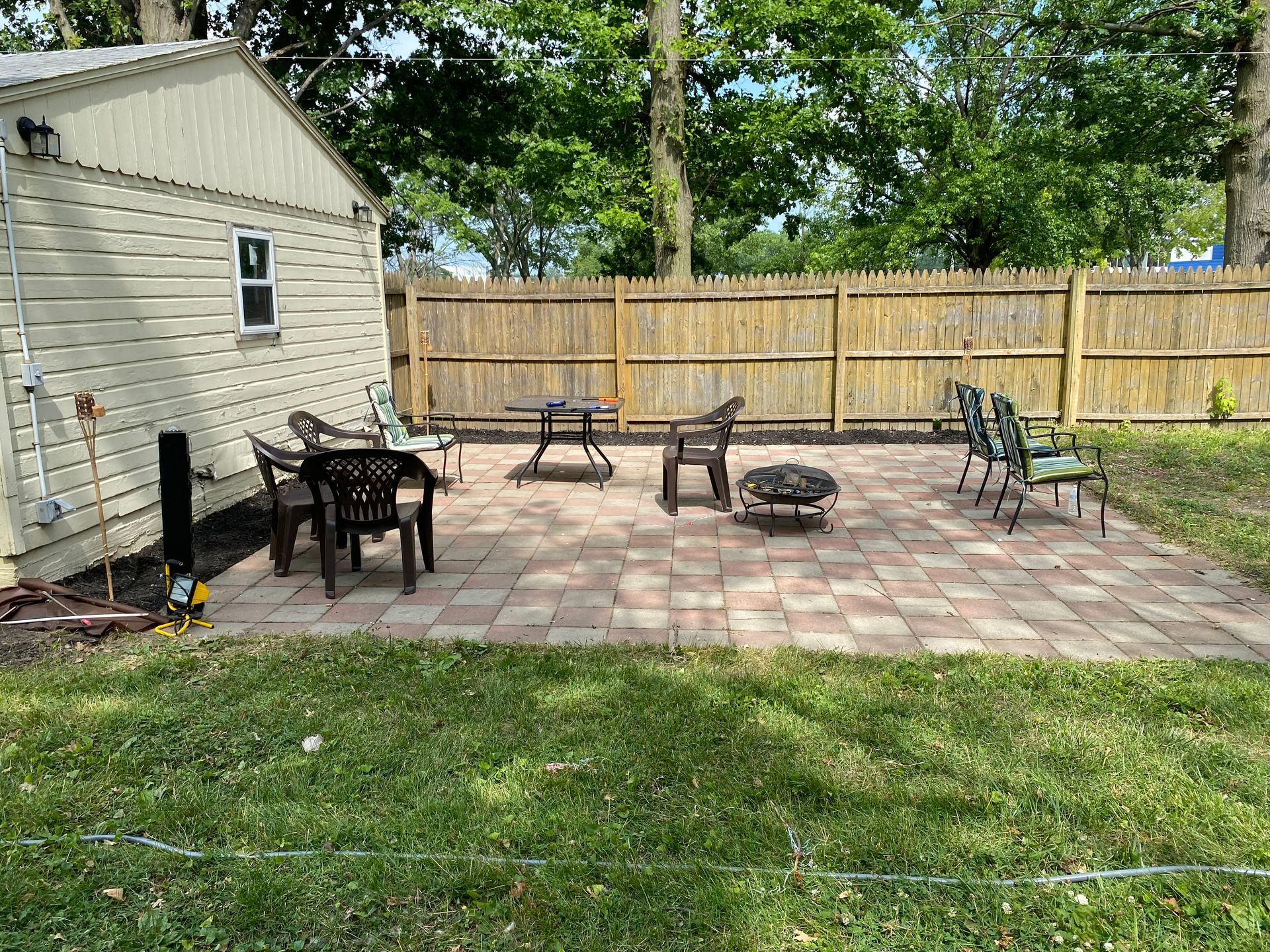
Paver Patio Installation
Full builds from excavation through final compaction: subgrade cut, geotextile where needed, compacted stone base, screeded bedding sand, pavers laid to pattern, edge restraint, then polymeric sand swept and set. Every layer gets compacted before the next one goes down.
GETTING THERE
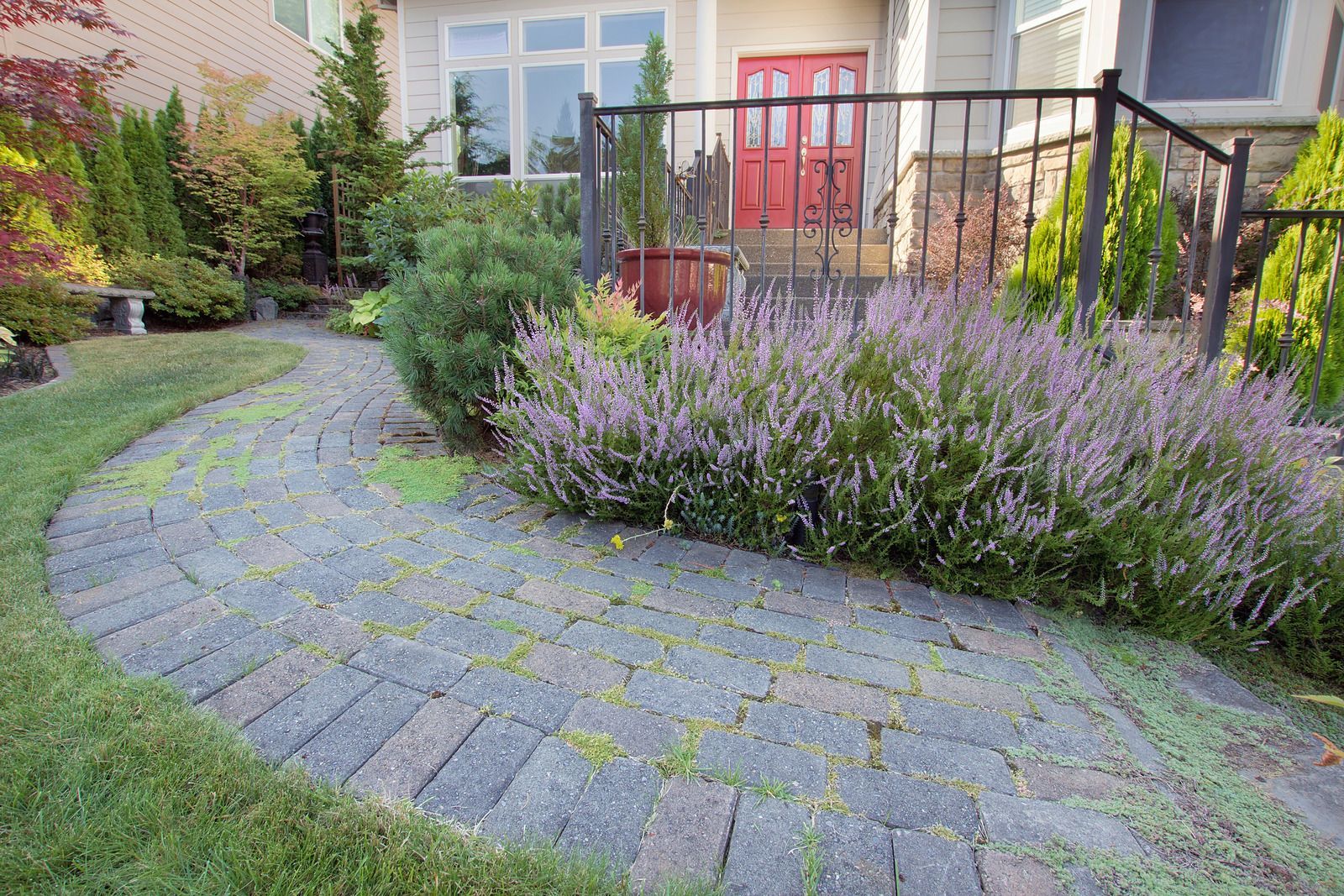
Walkways and Garden Paths
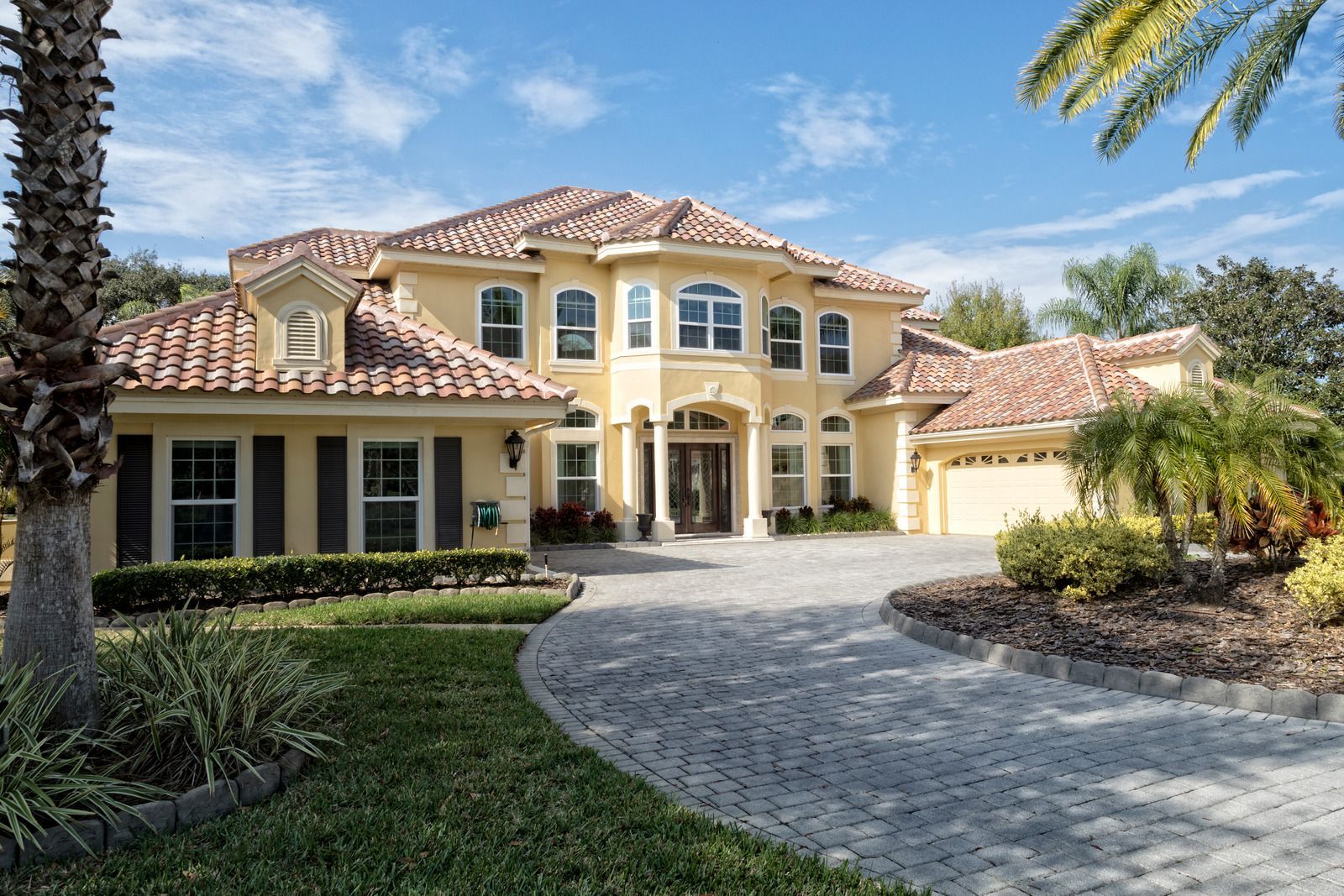
Front walks, side paths and connections between spaces, built to the same standard as a patio. Width and curve matter more than people expect, since a path two people can walk side by side feels entirely different.
HARD DRIVE
Paver Driveways and Aprons
Vehicle areas need thicker base and heavier units than a patio does. We build to the load, which means more excavation, more stone and more compaction passes before a single paver is set in the field.

SITTING SPOTS
Fire Pits and Seat Walls
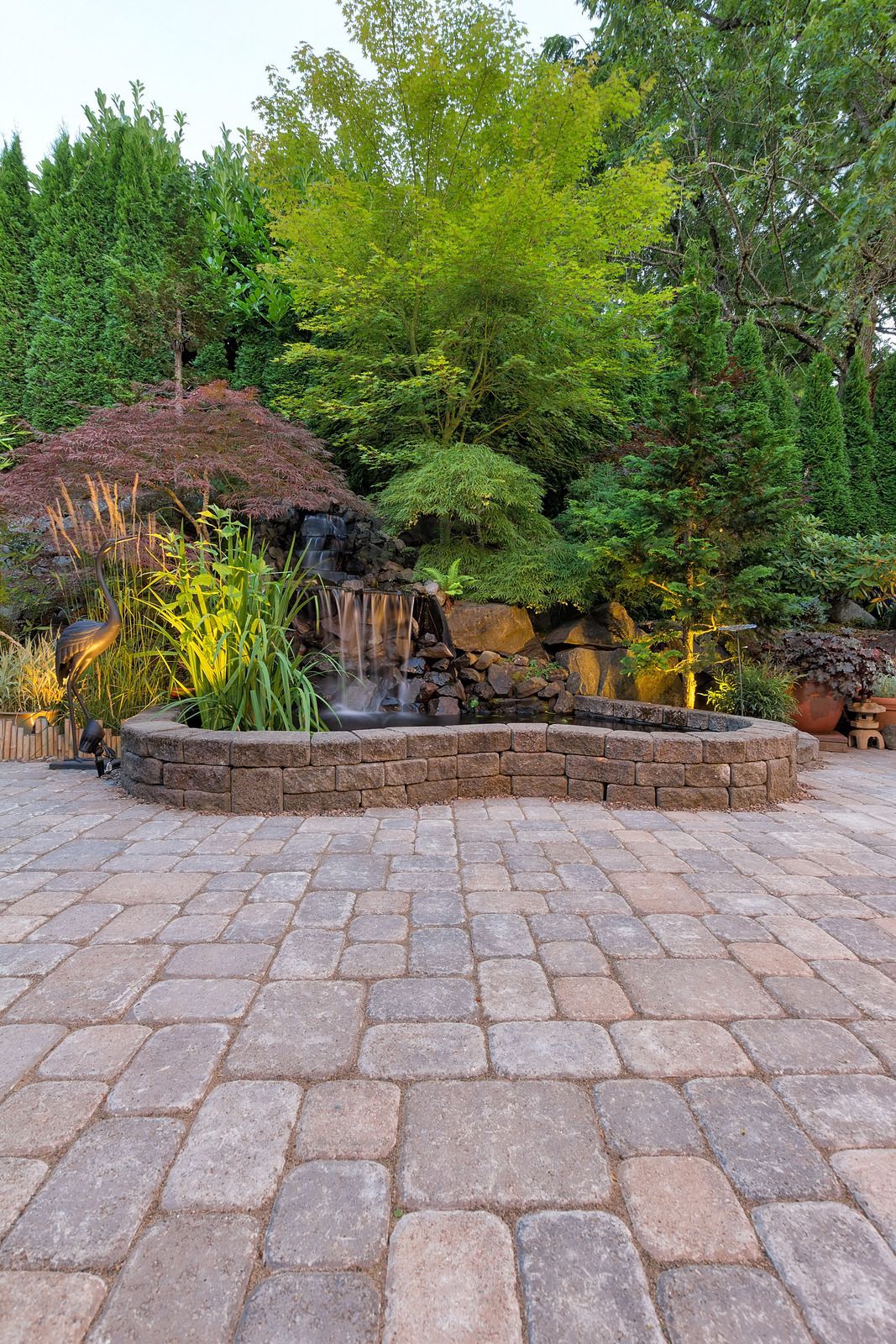
Built-in fire pits, low seating walls and raised planters turn an open square into a room with edges. They get the same base treatment as the patio so nothing settles away from the surface later.
LEVEL AGAIN
Sunken Paver Repair
When a section dips, we lift the pavers, correct the base underneath, re-screed the bedding layer and reset the same units. The repair disappears, and the cause gets fixed rather than covered up for another year.
FINISH WORK
Joint Sand and Sealing
Older patios often just need the joints refilled and the surface protected. We clean the field, replace lost joint sand and seal where the paver and the exposure make it worth doing. Sealing is not right for every patio, and we will say so.
➜ THE WORD ON OUR WORK
WHAT OUR CLIENTS SAY.
Hardscape clients tend to write about the crew as much as the patio: careful with the lawn, tidy at the end of each day, straightforward about what the base needed. Read what Decatur homeowners have said about the patios we have built for them.
➜ Common Questions
FREQUENTLY ASKED QUESTIONS.
Patio questions almost always circle back to what happens under the surface. Here are the ones we answer on nearly every estimate visit, along with the ones people forget to ask.
How do you prepare the ground for a paver patio?
Strip the topsoil and any soft material until you reach firm subgrade, then compact it. Where the soil stays wet, geotextile goes down before stone so the two layers never mix together.
What is the best base for a paver patio?
A well-graded crushed stone with fines, compacted in lifts. Clean uniform gravel does not lock together the same way, and sand alone under the full depth will not hold a surface flat.
How deep should a paver base be?
Four inches compacted is the pedestrian minimum, with 2 to 4 more in cold or wet conditions. Lawns to Impress builds 6 to 8 inches under most patios in Decatur, IL because of the clay.
Can you just put pavers on top of dirt?
You can, and it will look fine until the first spring. Without compacted base and drainage underneath, pavers set on soil settle unevenly, hold water and shift as the ground freezes and thaws.
Are paver edge restraints necessary?
Yes. Without a restraint the outer rows creep outward under load, joints open and the pattern loses its interlock. Spikes belong in compacted base, never driven into the soil beside it.
Do I need to seal my pavers?
Sometimes. Sealer deepens color and helps with stains on entertaining areas, but it needs reapplication and can trap moisture if applied wrong. On a shaded, lightly used patio it is often unnecessary.
What causes patio pavers to heave?
Water trapped in the base freezing and expanding. Thin base, no drainage or a slope that sends runoff toward the patio all set that up. Fixing heave means fixing water, not resetting stones.
What lasts longer, a concrete patio or a paver patio?
Pavers, in this climate. Concrete cracks as the ground moves and the repair always shows, while a paver field flexes and individual units can be reset. Lawns to Impress builds paver surfaces around Decatur, IL for exactly that reason.
➜ HOW WE WORK
FROM STRING LINE TO SWEPT JOINT, HERE IS HOW.
STEP 01
WE MEASURE AND LAY IT OUT
We mark the footprint on the ground with paint or line so you can stand in it before committing. Furniture, grill clearance and door swings all get checked at that stage, not after the stone arrives.
STEP 02
WE CALL FOR LOCATES
Before excavation, the utility locate request goes in and the site gets premarked, which is the law in IL. Nothing gets dug until the flags and paint are on the ground. That wait is not negotiable.
STEP 03
WE DIG AND COMPACT
Excavation goes deeper than the finished surface by the full base and bedding thickness. The subgrade gets compacted, fabric goes down where the soil demands it, and the stone arrives in lifts, not one dump.
STEP 04
WE SCREED THE BED
A thin, even sand layer gets screeded over the compacted base, never used to correct low spots in it. That distinction is why some patios stay flat and others develop waves within a year.
STEP 05
WE SET THE FIELD
Pavers go down to the chosen pattern, cuts are made at the edges with a saw rather than forced, and the whole surface gets checked against string lines as the field grows row by row.
STEP 06
WE LOCK IT DOWN
Edge restraint goes in on compacted base, polymeric sand is swept into the joints, the surface gets a final compaction pass, and the sand is activated with a light watering. Then we clean the site and leave.
➜ GET YOUR FREE ESTIMATE
PRICE YOUR PATIO, FREE.
Send rough dimensions and a photo of the space through the contact page and we will come out to measure, check the drainage and tell you what the base under it actually has to be.
WHAT YOUR PATIO ESTIMATE COVERS:
- Measured layout marked on the ground
- Excavation depth and base thickness stated in writing
- Paver style, pattern and border options
- Edge restraint and polymeric sand included
- Utility locates called before we dig
- Haul away of spoil and old surfaces