

➜ Landscaping
LANDSCAPING IN Decatur, IL
Central Illinois clay drains slowly, so a landscape here lives or dies on grading and plant choice. Lawns to Impress designs and installs mulch beds, rock, plantings, sod, edging and drainage work across Decatur, IL, plus Forsyth, Mount Zion and Long Creek, matching every plant to the light, soil and water each spot actually gets through the whole season.
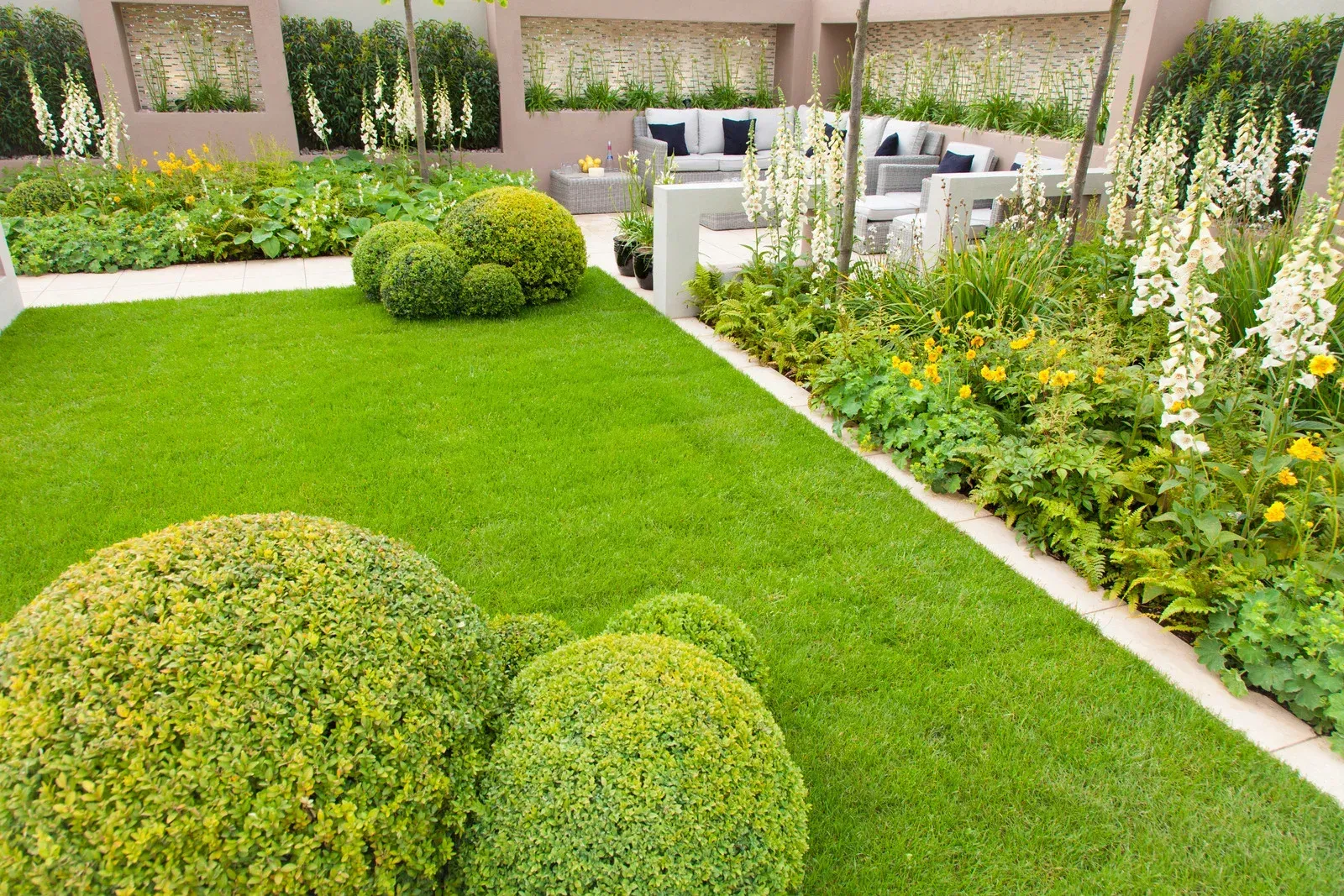
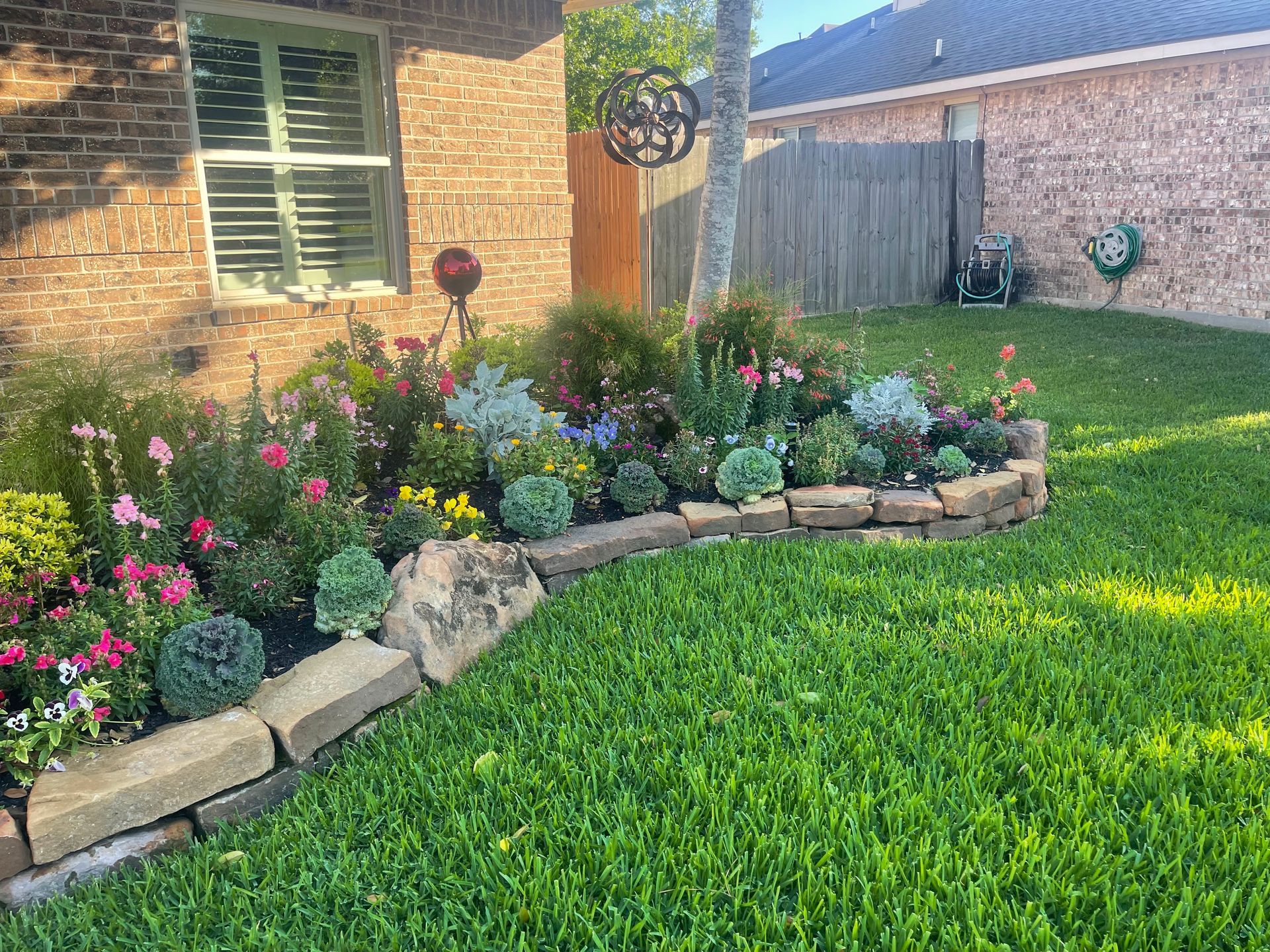
A YARD IS THE FIRST THING ANYONE READS ABOUT YOU.
Customers form an opinion before they reach the door, and so do neighbors, appraisers and the person driving past your storefront. Overgrown shrubs and a bed line that wandered off years ago say something you did not intend. Landscaping is the cheapest way to correct that message, and it is the one improvement nobody can fake.
We start by looking at where water goes, how much sun each bed gets and what the soil is doing. Plant choices follow that, not a catalog picture. The result holds its shape after the first hard winter.
- Free on-site design walkthrough
- Mulch, rock, soil and plant material delivered by us
- Grading and drainage corrected before planting
- Insured crews on residential and commercial sites
➜ LANDSCAPING
BEDS THAT LOOK PLANNED, NOT ACCUMULATED.
Most tired landscapes were not designed badly. They were added to, one impulse buy at a time, until nothing related to anything else. We pull the property back to a plan: clean bed lines that follow the architecture, plant groups sized for what they become at maturity, mulch at a depth of 3 inches, and rock or steel edging where the lawn keeps creeping in. Everything gets a reason to be there.
SILTY CLAY DOES NOT FORGIVE LAZY PLANTING.
The prairie soil under most of Macon County is dark, fertile and slow to drain. Dig a hole, drop in a shrub and backfill, and you have built a bucket that holds water against the roots all spring. We break the sidewalls, amend where it helps, set plants slightly high and move surface water away from the bed before anything goes in the ground.
WE PLANT WHAT SURVIVES A ZONE 6A WINTER.
Decatur sits in zone 6a, which means winter lows near 10 below zero and a growing season that closes around the last week of October. 5 years of planting here has taught us which nursery stock survives that and which does not. We choose material rated for it, install during the windows that give roots time to establish, and tell you plainly when a request belongs somewhere warmer than central IL.
WHAT A DESIGNED LANDSCAPE DELIVERS
Curb Appeal That Holds Its Shape
Clean bed lines and correctly spaced plants still read well three seasons later, because the design accounted for mature size. You get a property that looks maintained even in the weeks between visits.
Water That Moves Away From The House
Grading and bed shaping send rain toward the street instead of the foundation. That protects basements, keeps mulch from washing into the driveway and stops the soggy patch that never quite dries.
Fewer Weeds Without Chemicals
Mulch held at the right depth blocks the light weed seeds need. Beds that are properly edged and covered take far less hand pulling through July, which is when most people give up.
Plants That Live Past The First Winter
Material chosen for this climate and planted at the right depth comes back. Replacing dead shrubs every spring costs more than choosing correctly once, and it makes a young landscape look permanently unfinished.
A Property That Photographs Well
Listings, storefront photos and event pages all benefit from a background that looks cared for. Sharp edges, even mulch and healthy plant color do more for an image than any filter. Buyers notice.
One Crew For The Whole Property
The same team that designs the beds also mows, hauls the material and clears the leaves off them in November. Nobody blames another contractor, and nothing falls through the gap between two schedules.
➜ WHAT WE INSTALL
OUR LANDSCAPING WORK
Landscaping covers a lot of ground, so here is what we actually do on a property. Most projects combine several of these in one visit, and all of them start with the same walkthrough.
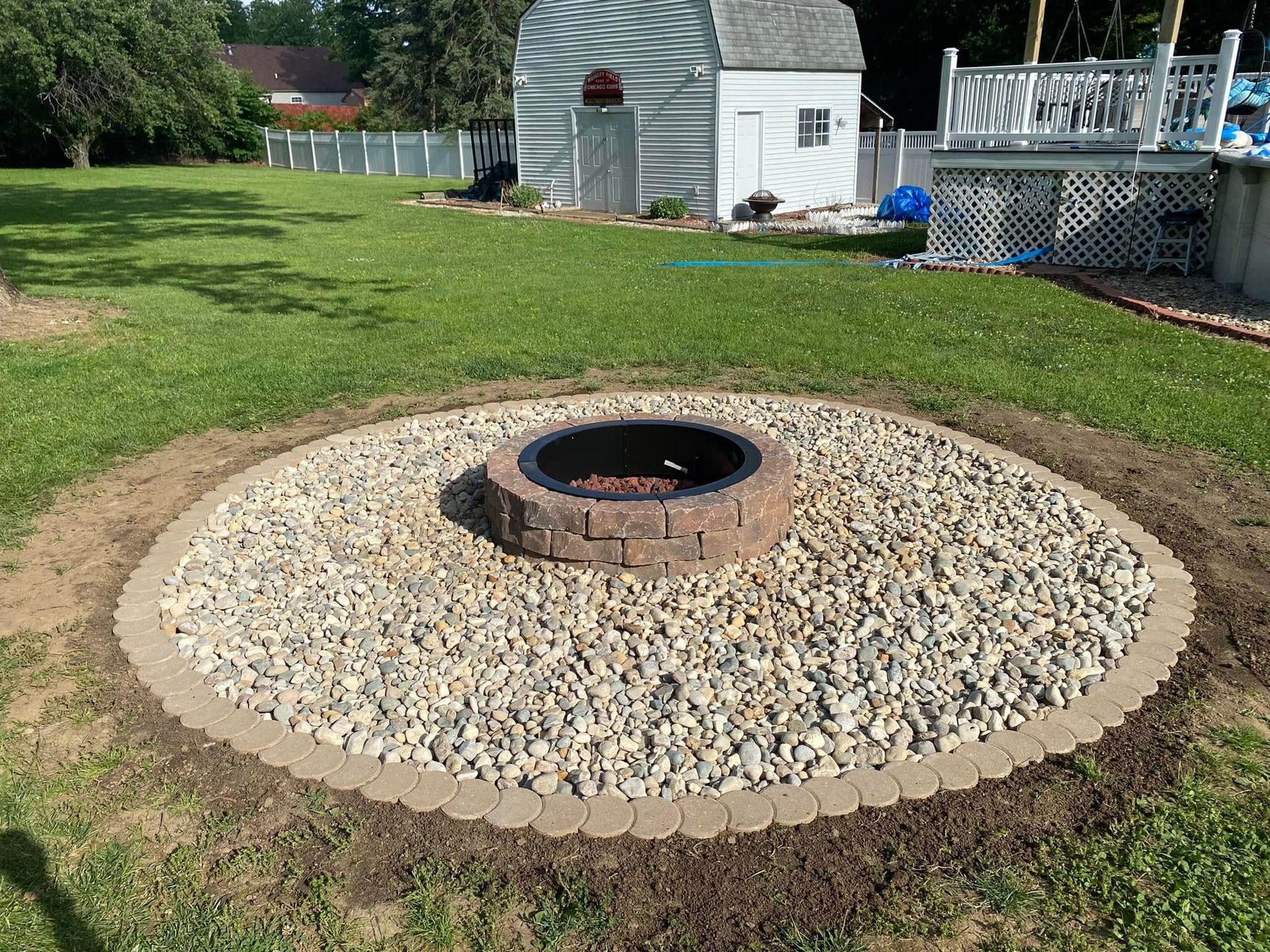
BED WORK
Mulch and Rock Installation
Old material gets pulled or turned, edges are recut by hand, and fresh mulch or decorative rock goes down at a depth that suppresses weeds without smothering roots. Trunks stay clear so bark does not rot.
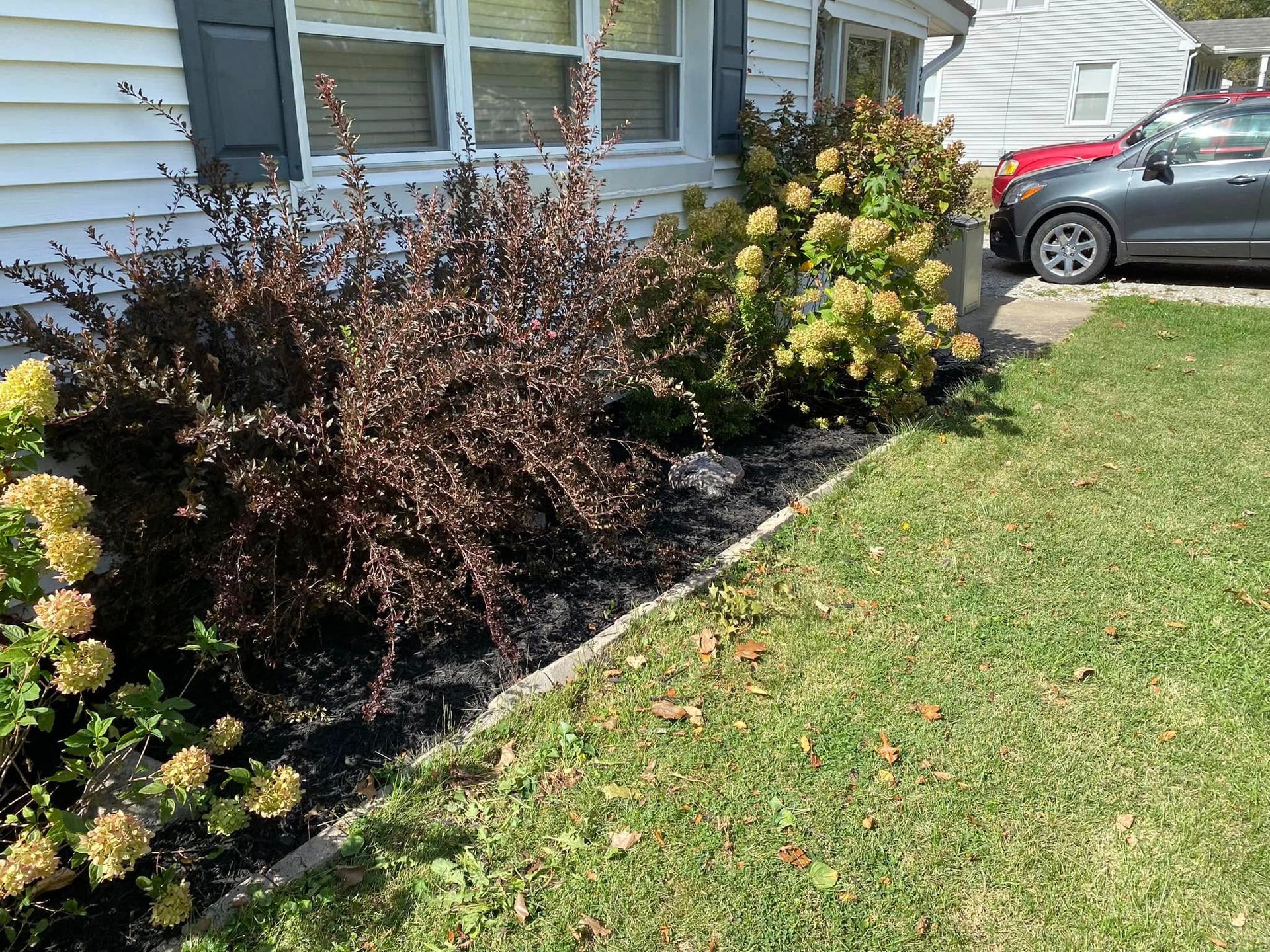
NEW PLANTINGS
Shrub and Tree Planting
Trees, shrubs, ornamental grasses and perennials chosen for the light and drainage each spot actually has. Holes are dug wide rather than deep, root balls are teased apart, and everything gets watered in before we leave.

GREEN CARPET
Sod and Seeding
Bare ground gets graded smooth, firmed until footprints stop showing, then sodded or seeded with a cool-season blend suited to sun and shade. Watering instructions come with it, because the first two weeks decide everything.
WATER CONTROL
Drainage and Grading
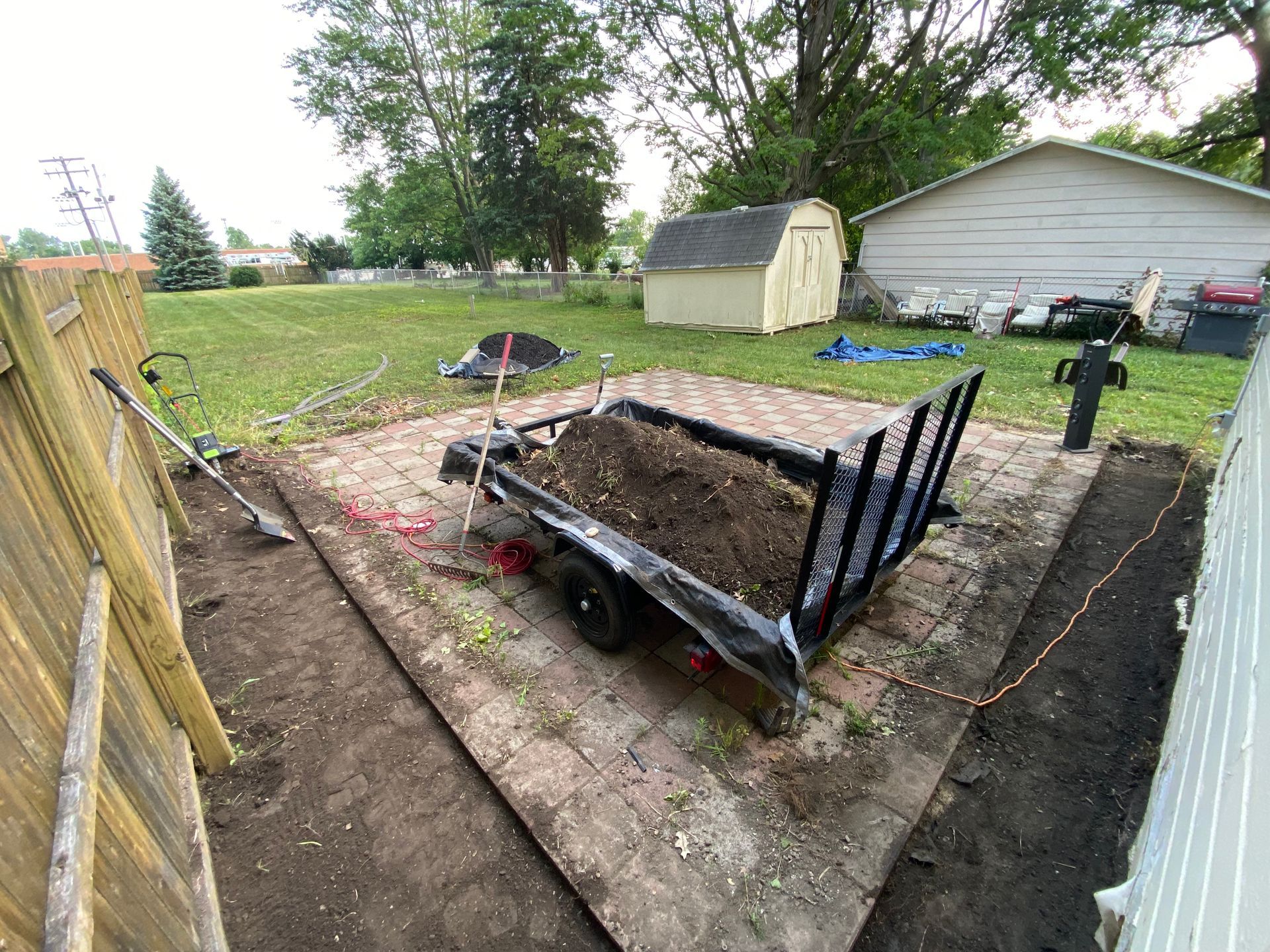
Standing water usually means the ground slopes the wrong way. We reshape the grade so it falls away from the structure, add swales or drain lines where volume demands it, and finish the surface so the fix disappears.
BACKYARD
Edging and Bed Definition
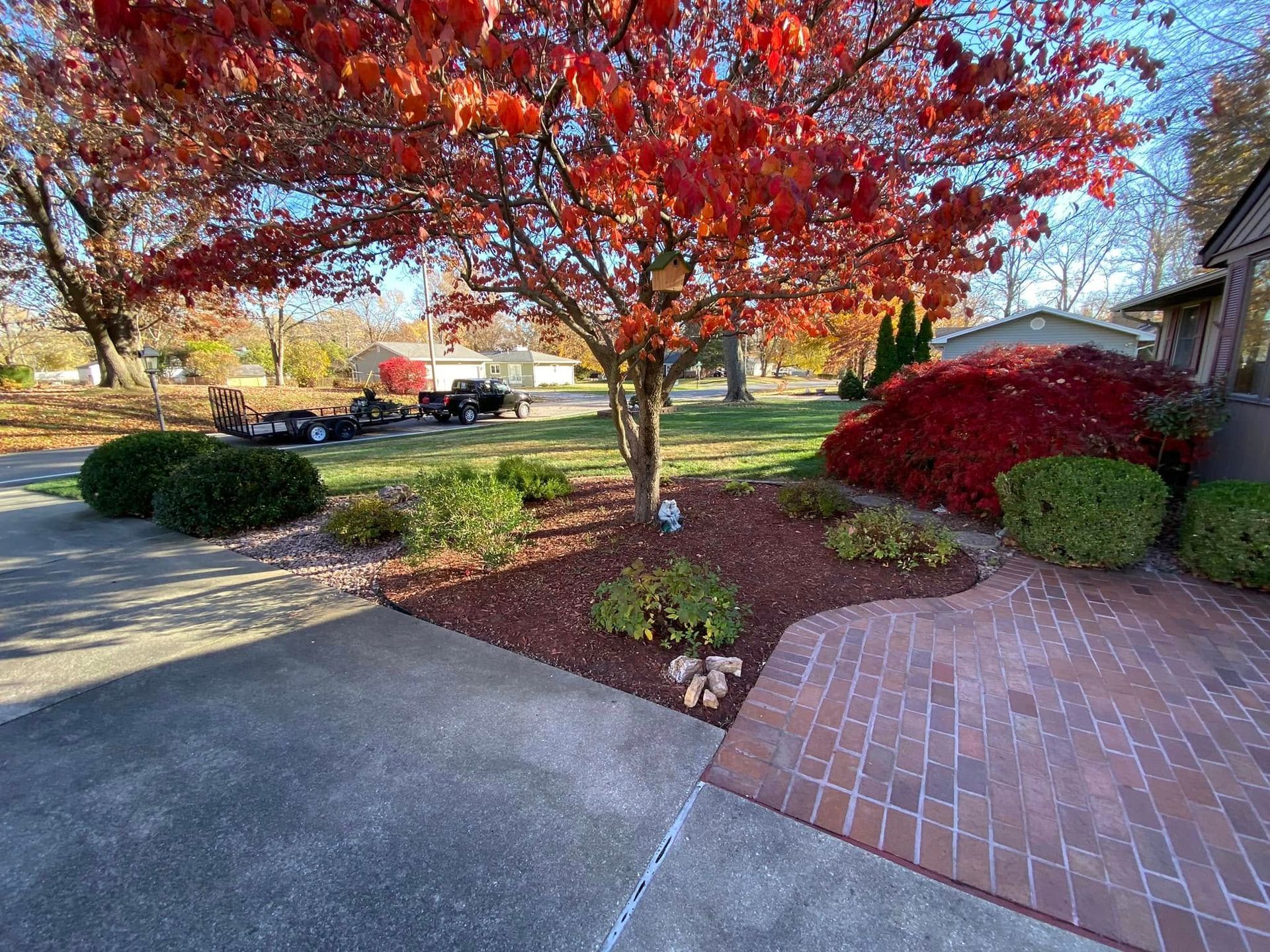
A crisp edge is what separates a maintained property from a busy one. We cut natural spade edges or set steel and paver borders that hold the line through freeze and thaw without buckling season after season.
KEEPING IT
Seasonal Landscape Maintenance
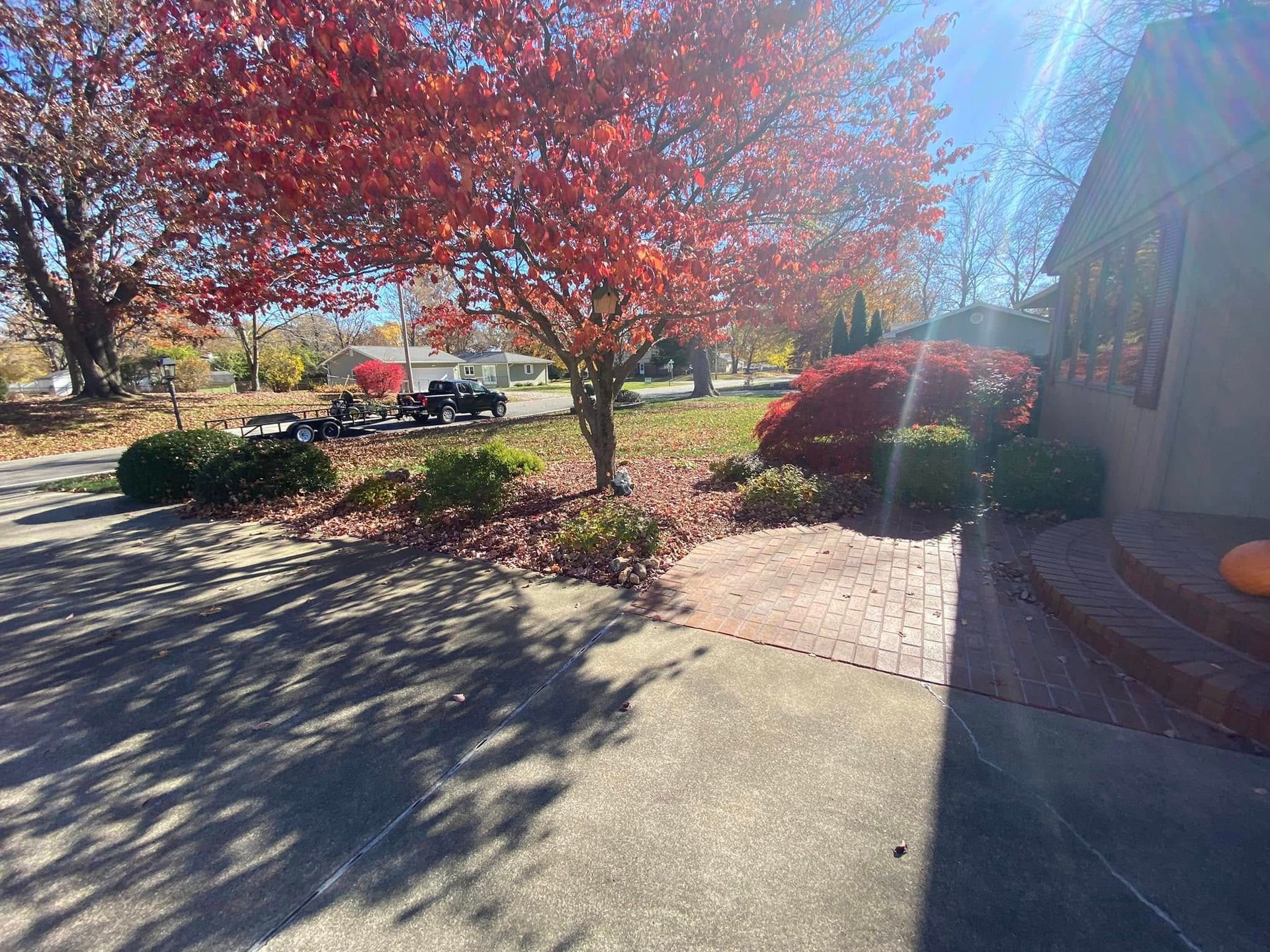
Pruning at the right time of year, cutting back perennials, refreshing mulch and watching for the pest or disease that shows up in August. Installed landscapes drift within a year without someone paying attention to them.
➜ THE WORD ON OUR WORK
WHAT OUR CLIENTS SAY.
The reviews that mean the most to us mention small things: a bed edged neatly around a mailbox, trees planted straight, a crew that cleaned the driveway before leaving. Read what property owners around Decatur have said about the landscaping we built for them.
➜ Common Questions
FREQUENTLY ASKED QUESTIONS.
These come up on almost every landscaping walkthrough, so here are the answers before you ask. Anything specific to your property is easier to settle on site.
What do landscaping services include?
Design, installation and upkeep of everything outside the building: beds, mulch, rock, plantings, edging, sod, drainage and grading. Lawns to Impress handles all of it across Decatur, IL, including the hauling most crews subcontract.
What is the best depth for mulch?
Two to four inches for most beds, with coarse material at the higher end. Deeper than four starts holding water against roots, and mulch piled against a trunk invites rot, insects and disease.
Is rock better than mulch for landscaping?
Rock lasts longer and suits drainage areas and narrow strips. Mulch feeds the soil as it breaks down and keeps roots cooler, which most plants prefer. Many properties use both, in different places.
How can I improve drainage in my yard?
Start with grade, not gadgets. Surface water should fall about 6 inches over the first 10 feet away from the foundation. Where that is not possible, a swale, dry well or drain line moves it.
How do you prepare ground for sod?
Strip the old surface, loosen and level the soil, then firm it until walking leaves no footprints. Sod laid on soft or lumpy ground telegraphs every flaw and dries out along the seams.
When should you plant shrubs in IL?
Spring and early fall both work, since moderate temperatures let roots establish before stress arrives. Lawns to Impress plants through both windows around Decatur, IL and avoids midsummer installs unless watering is dependable.
Does mulch attract bugs like rock?
Mulch is organic, so it does host insects, most of them harmless decomposers. Problems start when it is piled deep against siding or trunks. Kept back a few inches, it is not a pest magnet.
How much mulch do I need for a 10x10 area?
A hundred square feet at 3 inches deep takes roughly a cubic yard, since one yard covers about 108 square feet at that depth. Bagged mulch runs about 2 cubic feet each.
➜ HOW WE WORK
FROM FIRST SKETCH TO FINAL RAKE, HERE IS HOW.
STEP 01
WE WALK THE PROPERTY
You show us what bothers you and we look at what caused it: drainage, sun, soil, the shrub planted too close to the siding. Measurements and photos come off that same visit, at no charge.
STEP 02
WE PUT IT IN WRITING
You get a scope that names plant material, mulch or rock quantities, edging type and what happens to the old material. No vague line items, so you can compare us to anyone else honestly.
STEP 03
WE PREP THE GROUND
Old plants and material come out, beds are shaped, grade is corrected and the soil is loosened where roots will go. This is the unglamorous day that decides how the finished work holds up.
STEP 04
WE SET THE PLANTS
Everything gets placed and stood back from before a single hole is dug. Spacing accounts for mature width, so the bed looks a little open on day one and correct two summers later.
STEP 05
WE FINISH THE DETAILS
Edges are cut, mulch or rock is spread level, plants are watered in and hardware like edging or borders is locked down. The property should look finished, not like a job site at quitting time.
STEP 06
WE CHECK BACK
A short follow-up tells us whether the new plants took and whether water is going where we sent it. Adjustments in the first month cost nothing and prevent replacements in the first year.
➜ GET YOUR FREE ESTIMATE
LET US WALK THE PROPERTY WITH YOU, FREE.
Bring us the yard you have stopped looking at. We will tell you what it needs, what it does not, and what the work costs before anything is torn out. Book through the contact page.
WHAT YOUR LANDSCAPE ESTIMATE COVERS:
- An on-site walkthrough of the whole property
- Plant material listed by name and size
- Mulch, rock and soil quantities in cubic yards
- Grading or drainage work called out separately
- Removal and haul away of old material
- A start window and crew size in writing